Preschool Potty Training Essentials Guide & Tips

Preschool Potty Training: What to Pack and How to Brief Your Child's Caregiver
Starting preschool is a big change for your child, especially when they are still learning to use the toilet. Along with their usual school essentials, you may need to pack a few extra items and share details about your child's toilet routine with their caregiver.
A little preparation helps the caregiver understand your child's needs and maintain a familiar routine at school.
Is Your Child Ready for Potty Training Before Preschool?
Children become ready for potty training at different ages. Many start showing signs of readiness between 18 months and 3 years, but there is no fixed age that works for every child.
Before starting, look for signs such as:
-
Staying dry for longer periods.
-
Showing discomfort when wearing a wet or soiled diaper.
-
Showing interest in the toilet or watching others use it.
-
Following simple instructions.
-
Communicating when they need to pee or poop, through words or gestures.
If your child is still learning, there is no need to rush the process just because preschool is approaching. Speak to the school beforehand to understand what support they can provide.
You can also read more about the age for potty training.
What to Pack for Preschool Potty Training
Toilet accidents can happen, particularly when children are adjusting to a new environment. Keep a small bag of essentials so the caregiver can help your child change comfortably.
Here is what you can pack:
-
2–3 sets of spare clothes: Include extra underwear, bottoms and a fresh top.
-
Extra potty training pants: Pack at least two spare pairs if your child is using them.
-
A waterproof wet bag: This helps keep wet or soiled clothes separate from other belongings.
-
Wipes or tissues: Useful for cleaning up after toilet visits.
-
A labelled water bottle: Encourage regular water breaks and help your child stay hydrated.
Label your child's clothes, bags and other belongings to make it easier for the caregiver to identify them.
What to Tell Your Child's Caregiver Before the First Day
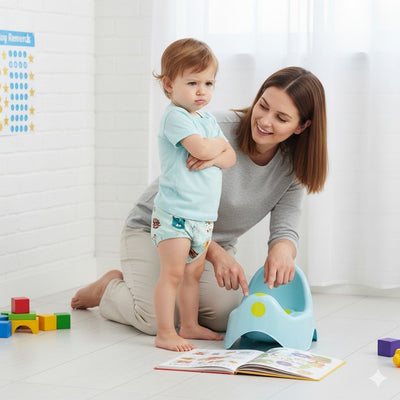
A caregiver may not know your child's usual toilet habits, so sharing a few details beforehand can make a real difference. Instead of simply saying that your child is potty training, explain what they are comfortable doing and where they may need help.
Make sure you discuss these points:
-
Usual toilet routine: Share when your child generally needs to use the toilet, such as after waking up, after meals or before leaving home.
-
How they communicate: Tell the caregiver the words, signs or gestures your child uses when they need to pee or poop.
-
How much help they need: Explain whether your child can manage their clothes independently or needs help with wiping, changing and washing their hands.
-
Things they may find difficult: Mention if your child feels uncomfortable using unfamiliar washrooms, needs help with the toilet seat or is hesitant to ask an adult.
-
Where the extra supplies are kept: Show the caregiver where you have packed spare clothes, potty training pants, wipes and the wet bag.
It is also worth asking how the school handles toilet breaks. Do children have access to the washroom whenever they need it, or are there scheduled breaks? Knowing this beforehand will help you prepare your child for the routine.
Diapers, Underwear or Training Pants: What Should Your Child Wear?
The right choice depends on how comfortable your child is with toilet use and what the preschool allows.
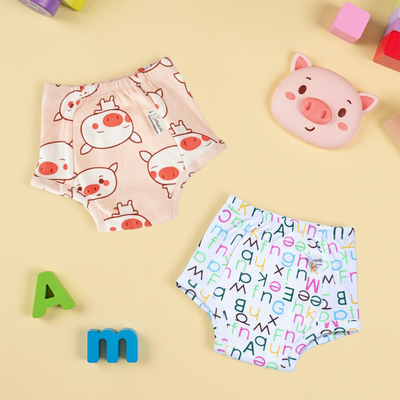
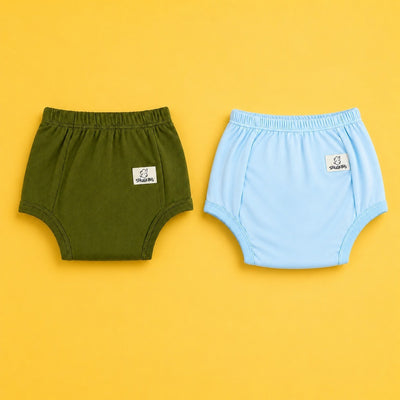
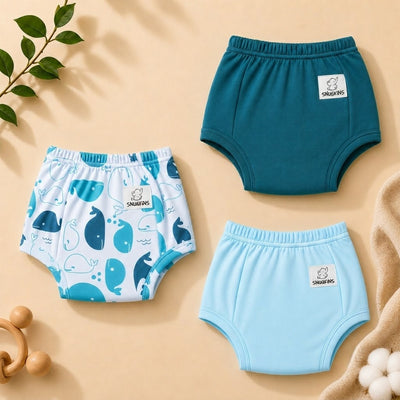
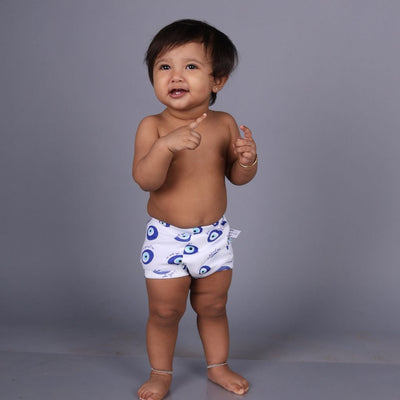
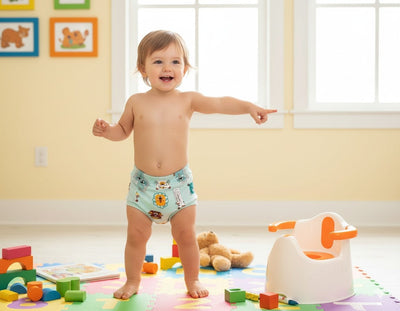
If your child is still learning but is ready to move away from regular diapers, potty training with pants can be a helpful middle step. These look and feel more like regular underwear while providing some protection against minor daytime accidents.
Snugkins potty training pants have a soft cotton feel with absorbent layers and a semi-waterproof layer to help manage small leaks. They are washable and reusable, making them suitable for daytime practice.
However, they are designed for minor accidents, not heavy wetting or overnight use. Change your child into a fresh pair whenever the pants become wet.
A Simple Preschool Potty Training Chart
A familiar toilet routine can help your child feel more comfortable when starting preschool. You can use a simple preschool potty training chart at home to practise the times when they may need a toilet break.
|
When |
What to do |
|
After waking up |
Offer a toilet visit before getting ready. |
|
Before leaving home |
Give your child time to use the toilet. |
|
On reaching school |
Let them know where the washroom is, if possible. |
|
Before or after snack time |
Offer a toilet break as part of the routine. |
|
Before leaving school |
Give them another chance to use the toilet. |
Use the chart as a gentle reminder, not a strict schedule. Let your child ask when they need to go, and avoid forcing them to sit on the toilet if they are not ready.
What If Your Child Has an Accident at Preschool?
Accidents are a normal part of learning. Your child may get distracted while playing, feel unsure about asking an unfamiliar adult or take time to get used to the school washroom.
If an accident happens, the caregiver should help your child change, clean up and return to their activities without making them feel embarrassed.
At home, reassure your child that accidents can happen and encourage them to tell an adult when they need the toilet. If accidents happen frequently, speak with the caregiver to understand whether a change in routine or extra reminders might help.
Making Preschool Potty Training Easier with Snugkins
Starting preschool while learning to use the toilet takes patience and consistency. Having the right essentials ready and keeping the caregiver informed can make the transition more comfortable for your child.
Snugkins offers everyday essentials for different stages, including newborn langots, nappies, padded underwear and reusable potty training pants. For children practising daytime toilet use, training pants can provide some protection from minor accidents while helping them get used to wearing regular underwear.
FAQs About Preschool Potty Training
Q1. How do I prepare my toddler for potty training at preschool?
Ans: Practise toilet routines at home, help your child communicate when they need to go and share their habits with the teacher.
Q2. What if my child is not fully potty trained before starting preschool?
Ans: Speak with the school about its toilet-training policy and the assistance available for children who are still learning.
Q3. How often should a toddler use the toilet at preschool?
Ans: Offer toilet breaks at familiar times during the day while allowing your child to ask whenever they need to go.
Q4. What essentials should I pack for a toddler who is potty training?
Ans: Pack spare clothes, extra underwear or training pants, a wet bag and wipes for everyday changes.
Q5. How can I help my toddler avoid potty training accidents at preschool?
Ans: Follow a familiar toilet routine, offer regular reminders and encourage your child to tell their teacher when they need to go.