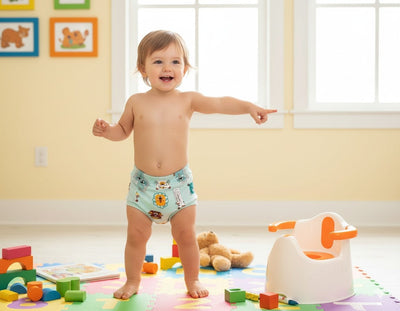
Potty Training Twins or Two Kids Together: Tips

Potty Training Twins or Two Kids at Once: What Actually Works
Potty training one toddler takes patience. Now imagine doing it with two children at the same time! One may happily sit on the potty, while the other refuses. You might finish changing one child only to find that the other has had an accident.
For parents of twins or two children close in age, these little situations can make the process challenging. You may wonder whether to start both children together, how to manage different potty timings or what to do when one learns faster than the other. Even simple decisions, such as when to introduce training pants, can feel more complicated when two children are learning at once.
The good news is that you do not need two completely separate routines. A little planning can help you manage both children while giving each one the time they need to learn.
When Should You Start Potty Training Twins?
Parents often search for the average age for potty training twins, but there is no fixed age when both children should begin.
Many children start showing signs of readiness between 18 and 24 months, while others may be ready closer to 2.5 or 3 years. What matters more than age is whether each child is physically and emotionally ready.
Look for signs such as:
-
Staying dry for around two hours or waking up with a dry diaper.
-
Showing discomfort when their diaper is wet or dirty.
-
Communicating their need to pee or poop through words or gestures.
-
Showing interest in using the potty or copying their sibling.
-
Understanding simple instructions and attempting to pull their clothes up and down.
One child may show these signs earlier than the other. That is perfectly normal, so avoid setting a common starting date just because they are twins.
Is It Better to Potty Train Twins Together or Separately?
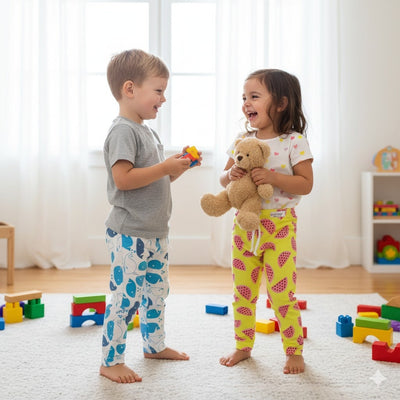
If both children are showing signs of readiness, starting together can make sense. They can become familiar with the potty around the same time, and watching each other may encourage them to try.
However, starting together does not mean they have to follow exactly the same routine. You can introduce potty training with pants to one child when they are ready, while allowing the other to become comfortable with the process first.
For example, one child may already tell you when they need to pee, while the other may still need regular reminders. You can encourage both children to use the potty while adjusting the support each one needs.
If one child is ready earlier, there is no reason to delay their progress. Let the other child become comfortable with the idea without forcing them to participate.
How to Potty Train Two Toddlers at the Same Time: 6 Tips for Parents
If you are wondering how to potty train twins or two young children together, these practical tips can help you manage the process without making your entire day revolve around potty breaks.
1. Follow Their Natural Potty Timings
Spend a few days observing when each child usually pees or poops. You may notice that one needs the potty after breakfast, while the other usually goes after an afternoon nap.
Use these patterns to plan potty breaks instead of constantly asking both children whether they need to go.
A simple note on your phone is enough to track their usual timings.
2. Create a Routine Around Everyday Activities
You do not need to set reminders every few minutes. Start by offering the potty after waking up, meals, naps and before bedtime.
These familiar moments make it easier for children to understand when they can try using the potty.
If one child does not need to go, do not force them to sit just because their sibling is using it. Keep the routine flexible.
3. Make Potty Time Easier for Both Children
If space allows, having two potty chairs can help when both children need to go around the same time.
You can also let them choose their own potty or select a design they like. Small choices can make children feel more involved.
If you have only one potty, take turns and keep the waiting time short. There is no need to rush either child.
4. Avoid Comparing Their Progress
This is one of the most important tips for potty training twins.
It is natural to feel happy when one child starts using the potty independently. However, avoid asking the other child why they cannot do the same.
Instead, appreciate individual efforts. One child may start asking for the potty, while the other may simply become comfortable sitting on it.
Both are meaningful steps, even if they happen at different times.
5. Prepare for Accidents Before They Happen
With two children learning together, you will probably need more spare clothes than usual. Having a few pairs of potty training pants ready alongside regular underwear can make it easier to manage small accidents and changes during the day.
Keep a small basket ready with:
-
Three to four spare pairs of underwear or training pants for each child.
-
Extra shorts and trousers.
-
Wet wipes and tissues.
-
A waterproof bag for soiled clothes.
-
A small towel and cleaning supplies.
For outings, pack separate clothing sets for both children and a few extra supplies. Keeping a spare set in your regular diaper bag can save time.
6. Keep All Caregivers on the Same Page
If grandparents or babysitters help look after the children, share their usual potty timings and the words or gestures they use to communicate.
Let caregivers know how to respond to accidents and when to offer potty breaks.
Everyone does not need to follow an exact timetable. A similar approach across home and caregiving arrangements is enough to give children a sense of consistency.
What If One Twin Gets Potty Trained Before the Other?
This is a common concern for parents. One child may start asking for the potty independently, while the other still needs reminders or has frequent accidents.
Here is how you can handle these situations:
|
Situation |
What parents can do |
|
One child asks for the potty, while the other does not. |
Encourage the first child and continue gentle reminders for the other. |
|
Both need the potty at the same time. |
Use separate potty chairs if possible or take turns. |
|
One child has more accidents. |
Observe their routine and offer potty breaks at suitable times. |
|
One child refuses to use the potty. |
Give them time and try again later without forcing them. |
|
One child is ready for underwear, while the other is not. |
Choose clothing according to each child's comfort and readiness. |
If one child is having frequent small accidents, reusable potty training pants can be one option for daytime practice. They can help manage minor wetness while the child continues learning to recognise when they need the potty.
The important thing is to avoid treating one child's progress as a target for the other. Give both children individual encouragement and allow them to learn at their own pace.
Can You Potty Train Twins in 3 Days?
The idea of potty training twins in 3 days can sound appealing, especially when parents want to establish a routine quickly.
A three-day approach generally involves spending more time on potty practice, offering regular toilet opportunities and helping children recognise their body signals.
You can use the first day to introduce the potty, the second to establish regular potty breaks and the third to encourage children to communicate when they need to go.
However, three days should be treated as an introduction, not a deadline. One child may become comfortable quickly, while the other may need several more weeks.
Continue practising according to their individual progress rather than expecting both children to be fully trained within the same period.
What Should You Look for When Choosing Potty Training Pants?
When children are learning together, you may go through several clothing changes in a day. Choosing comfortable, washable options can make this stage easier to manage.
Look for soft, breathable fabric, a comfortable fit, easy pull-up styling and absorbent layers that help manage small accidents. Regular underwear can help children notice wetness, while suitable training pants offer some support during the transition.
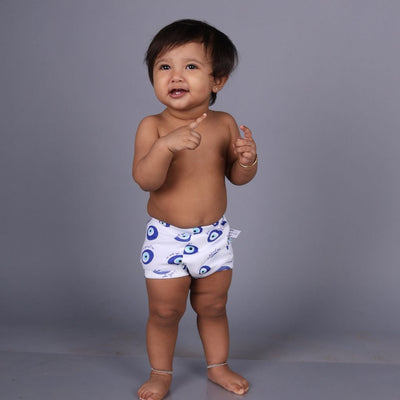
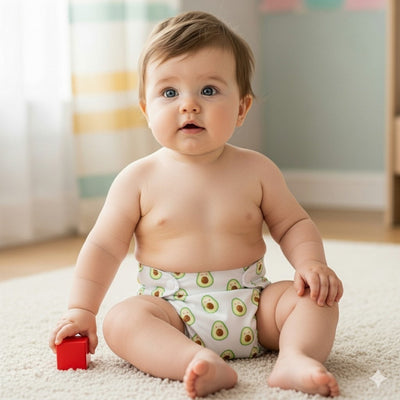
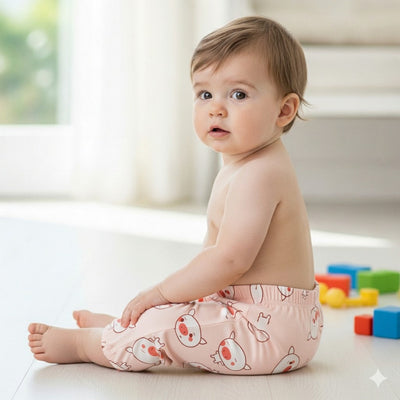
Snugkins potty training pants are made with soft cotton layers.They are washable and reusable, making them a practical daytime option when children need multiple changes.
They can absorb up to one pee, depending on the child's pattern, but are not intended for overnight protection. They also do not replace regular potty breaks, as children still need opportunities to practise recognising when they need to go.
Conclusion
Potty training two children together may mean extra laundry, occasional accidents and a little more planning, but it does not have to become overwhelming.
Start by understanding each child's readiness, create a routine that fits your day and celebrate their individual progress. One child may learn faster, while the other may need more time and encouragement.
Remember, potty training is not a race between siblings. Every small step counts, and with patience, consistency and the right support, you can make this transition easier for your children and yourself.
At Snugkins, we understand that everyday baby-care routines come with their own challenges. That's why we offer reusable potty training essentials designed to support little ones as they learn and make daily care a little easier for parents.
Frequently Asked Questions for Potty Training Twins
1. How often should you take twins to the potty?
Ans: Offer potty breaks around waking up, after meals, after naps and before bedtime, while following each child’s natural timings.
2. What should you do if both children need the potty at the same time?
Ans: Keep two potty chairs available if possible, or help them take turns without making either child feel rushed.
3. Can you potty train twins separately if they are ready at different times?
Ans: Yes, you can start with the child showing readiness and let the other join when they feel comfortable.
4. What should you pack when taking potty-training twins outside?
Ans: Pack spare clothes, underwear or training pants, wipes, a waterproof bag and an extra change of clothes for each child.
5. Are Snugkins potty training pants useful when potty training twins?
Ans: Yes, Snugkins reusable potty training pants can help manage small daytime accidents while children practise using the potty, but they do not replace regular potty breaks.