Potty Training Chart: The Right Way to Reward Progress

Potty Training Chart: How to Use Rewards Without Overdoing It
Potty training can feel exciting, confusing, and sometimes a little frustrating. One day your toddler may be interested in using the toilet, and the next, they may want nothing to do with it. A potty training chart can add some structure to the process and give your child a simple way to see their progress.
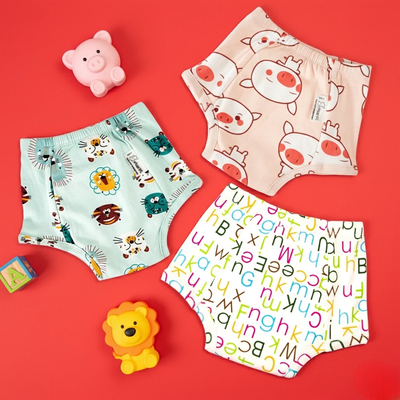
The right potty training underwear can also make everyday accidents a little easier to manage while your child is learning.
This guide explains how to set up a simple potty training chart, which rewards can help, how to avoid relying too much on rewards, and what you can do when your child's motivation starts to dip.
Table of Contents
-
Why Potty Training Charts Can Help
-
How to Set Up a Simple Potty Training Chart
-
What Rewards Work Best for Potty Training?
-
Rewards to Offer Occasionally
-
How to Avoid Over-Rewarding
-
What to Do When Motivation Drops
-
Choosing the Right Clothing for the Potty Training Age
-
Expert Insight
-
Key Takeaways
-
Conclusion
-
FAQs
Why Potty Training Charts Can Help
A potty training chart gives your child something they can see and interact with. Toddlers may not fully understand abstract praise, but they can easily understand putting a sticker on a chart after they have used the potty.
A chart can help:
-
Connect using the potty with positive encouragement
-
Create a simple routine around bathroom trips
-
Give your child a sense of involvement in their own progress
The chart isn't what teaches your child to use the potty. Instead, it makes their progress easier to see and gives them something small to feel proud of along the way.
How to Set Up a Simple Potty Training Chart
You don't need anything complicated. A basic chart can include:
-
A row or section for each day of the week
-
Stickers, stamps, or stars for reaching a simple goal
-
A place your child can easily see and reach, such as a bathroom wall or bedroom
Start with just one or two goals. For example, you could give a sticker for sitting on the potty or for telling you when they need to go.
Avoid tracking everything at once, such as accidents, dry nights, handwashing, and telling you in advance. Too many goals can make the chart feel like a task rather than something fun.
Whenever possible, let your child put the sticker on the chart themselves. That little bit of independence can make the experience more engaging.
Here's what a simple, two-goal chart can look like:
|
Activity |
1 |
2 |
3 |
4 |
5 |
Reward |
|
I told you I needed to go potty. |
○ |
○ |
○ |
● |
● |
Prize at 5 |
|
I sat on the potty. |
○ |
○ |
○ |
○ |
○ |
Prize at 5 |
What Rewards Work Best for Potty Training?
Rewards don't have to be big. In fact, simple rewards often work best because they keep the focus on learning the skill rather than getting a prize.
Some easy options include:
-
Stickers or stamps added to the chart
-
Specific praise, such as "You told me you needed to go. Great job!"
-
Small privileges, like choosing the bedtime story
-
High-fives or a little celebration after a successful potty trip
Rewards to Offer Occasionally
Some rewards can make the process more complicated if your child starts expecting something every time they use the potty.
It's better to use these occasionally:
-
Candy or sugary treats, which can make the reward harder to phase out later
-
Expensive toys, which can make ordinary potty trips feel like a big event
-
Screen time, which may lead your child to expect a screen-based reward every time
The reward should encourage the habit, not become the reason your child uses the potty.
How to Avoid Over-Rewarding
It's easy to get carried away with rewards during the first few days, especially when your child is making progress. Look out for signs that the reward has become more important than the actual achievement.
For example:
-
Your child asks, "What do I get?" before agreeing to try
-
The reward keeps getting bigger
-
Your child is more interested in the sticker or prize than using the potty
If this starts happening, gradually scale back the physical rewards. You can use stickers less often and rely more on praise, encouragement, and celebrating the new skill.
Over time, the aim is for your child to feel proud of being able to use the potty independently.
A simple rule to remember: the reward should be a bonus, not the motivation.
What to Do When Motivation Drops
Potty training rarely goes perfectly from start to finish. Your child may make great progress for a few days and then suddenly lose interest. That doesn't mean you've done anything wrong.
When motivation drops, you can try:
-
Taking a short break: A few days away from the chart may help reset the routine.
-
Looking back at the progress: Talk about what your child has already learned instead of focusing on recent accidents.
-
Checking for changes at home: Starting daycare, moving house, or welcoming a new sibling can affect a child's routine.
-
Keeping accidents low-key: Accidents are part of learning. Avoid punishment or making your child feel embarrassed.
If the chart has stopped being useful, there's nothing wrong with putting it away for a while. You can always bring it back later. You could also try something different, such as a few potty training games, to make bathroom trips feel less repetitive.
As your child gets more confident on the potty, what they're wearing starts to matter too - the right clothing can genuinely speed things along, or slow them down if it gets in the way.
Potty Training Age: Choosing Clothes That Make Training Easier
Clothing can make a surprising difference once your child starts learning to use the potty independently. There isn't one right potty training age - readiness varies a lot from child to child, though many toddlers start showing signs somewhere between 18 months and 3 years.
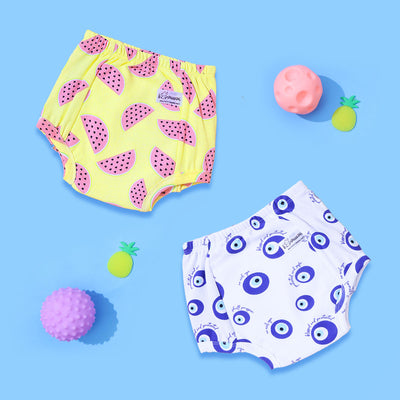
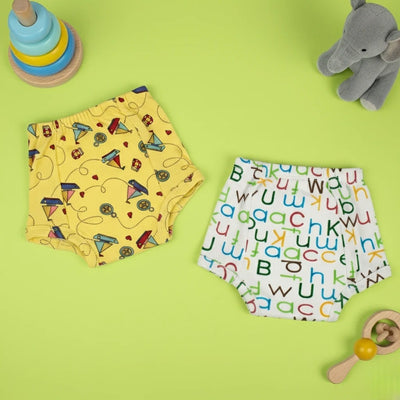
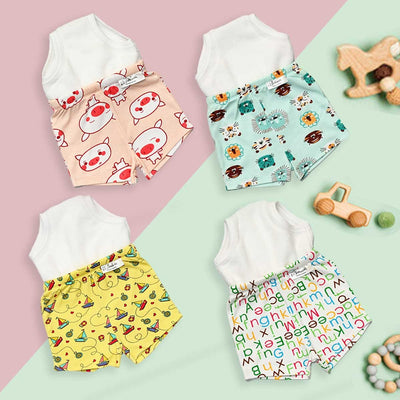
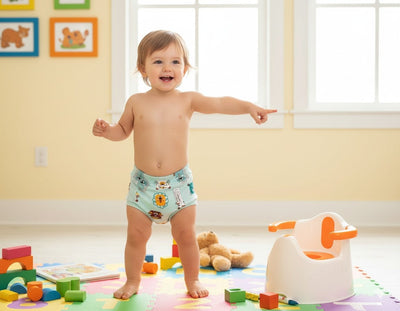
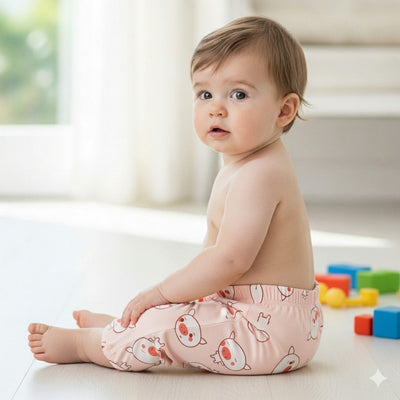
Whatever stage your child is at, look for clothing that's easy to pull up and down on their own, soft and breathable for long stretches of wear, and comfortable without feeling bulky. Cotton potty training underwear can be a practical choice, especially when you're looking for a soft, easy-to-manage option for everyday wear. When your toddler can manage their own clothing, it builds confidence - and cuts down on accidents that happen simply because buttons or zippers get in the way.
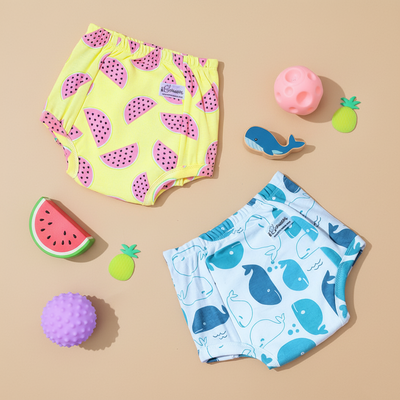
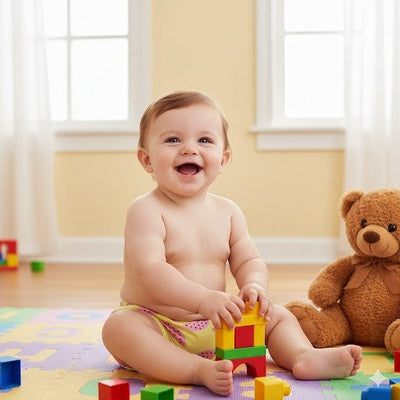
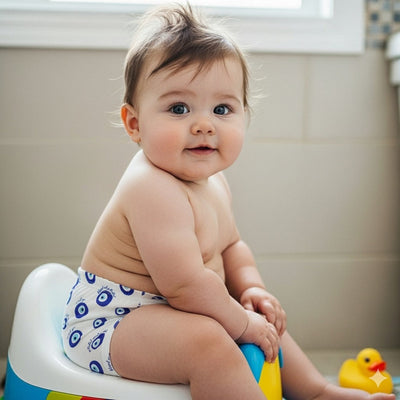
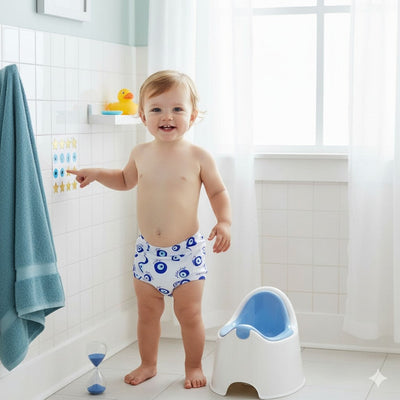
Most children don't go straight from diapers to regular underwear - they often transition in stages. As your child becomes more comfortable using the potty, padded underwear can provide a little extra protection from small accidents while still feeling more like regular underwear. It's also easy for children to pull up and down themselves, which can encourage independence during potty trips.
As accidents become less frequent and your child's confidence builds, it's usually time to move toward reusable potty training underwear. The padding is lighter, so it feels less like a diaper - and for toddlers with sensitive skin, cotton versions tend to be the more comfortable everyday pick.
None of this needs to be rushed. Some children move through these stages in a matter of weeks; others take longer, and that's completely normal. Go with whatever keeps your child comfortable and gets you both through the day without stressing over every small accident.
Expert Insight
“A sticker chart - where peeing or pooping gets the child a sticker that can be redeemed later for a treat - is helpful reinforcement, but don’t take stickers away if your child doesn’t make it to the potty.”
Tarshree Sawyer-Knox, MD, MPH, MS, a UNC Health paediatrician
Conclusion
A potty training chart is a small tool with an outsized effect - it turns an abstract skill into something your toddler can see, track, and feel genuinely proud of. Keep the goals simple, keep the rewards light, and pair the process with clothing that lets your child feel independent along the way. The chart doesn't do the work - but it makes the work visible, and that's often exactly what a toddler needs.
Key Takeaways
-
A potty training chart works best when your child already shows some readiness - it supports the process, it doesn't create it.
-
Keep goals simple: one or two behaviours, not a full checklist.
-
Rewards should stay a bonus. If your child starts negotiating for prizes, it's time to scale back.
-
Dips in motivation are normal. A short break or a change of pace is often enough to reset things.
-
Clothing matters too - easy-to-manage padded underwear can reduce accidents caused by fumbling with buttons or zippers.
FAQs About Potty Training Charts and Rewards
Q1. When should I start using a potty training chart?
Ans: You can introduce a chart when your child starts showing interest in the potty, usually between 18 months and 3 years, but readiness matters more than age.
Q2. How long should I use a potty training chart?
Ans: Use the chart for as long as it keeps your child motivated, then gradually phase it out once using the potty becomes part of their routine.
Q3. Should I reward my child every time they use the potty?
Ans: It's fine to reward them at first, but gradually switch to occasional rewards and more verbal praise as they become more confident.
Q4. What should I do if my child loses interest in the chart?
Ans: Try changing the stickers or theme, taking a short break, or pausing the chart and introducing it again later.
Q5. Should I choose potty training underwear or regular underwear?
Ans: Potty training underwear can provide helpful backup during the transition, while regular underwear may work well once your child becomes more confident.
Q6. Are accidents normal even when using a potty training chart?
Ans: Yes, accidents are a normal part of potty training, so focus on your child's progress rather than treating accidents as failures.