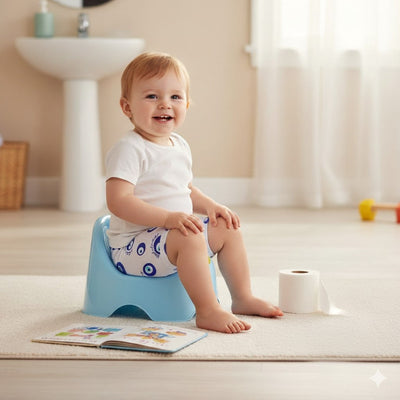
Best Potty Training Pants in India 2026 - Complete Guide

Best Potty Training Pants in India - A Complete Parent's Guide
Ask any Indian parent who has been through potty training and they'll tell you the same thing - the gear matters as much as the method. The right training pants can shave weeks off the process; the wrong ones either keep your toddler so dry they never learn, or leave you mopping up every twenty minutes. This guide cuts through the noise and tells you exactly what works for Indian toddlers, Indian homes, and Indian summers.
Table of Contents
1. Why the Right Training Pants Change Everything
2. What to Actually Look for When Buying
3. Best Potty Training Pants in India - Honest Comparison
4. How to Use Training Pants for Fastest Results
5. Key Takeaways
6. FAQS
Why the Right Training Pants Change Everything
There is a reason paediatricians keep recommending training pants over both disposable diapers and bare-bottom training for most Indian toddlers. It comes down to something surprisingly simple: your child needs to feel wet to learn not to be wet. Disposable diapers are engineered to pull moisture away from skin so effectively that toddlers genuinely cannot feel when they have urinated. You are, in effect, asking a child to stop doing something they cannot even detect. That is not a recipe for fast training.
Bare-bottom training solves the awareness problem but creates a new one - in a typical Indian home with marble or tiled floors, a joint family setting, grandparents visiting, and a monsoon-season humidity that means everything takes twice as long to dry, having your toddler run around without any clothing below the waist for three days straight is genuinely difficult. Puddles on the floor are a slip hazard for older family members. The cleanup is relentless. And the moment you step out of the house - even for a quick trip to the building compound - you have no containment at all.
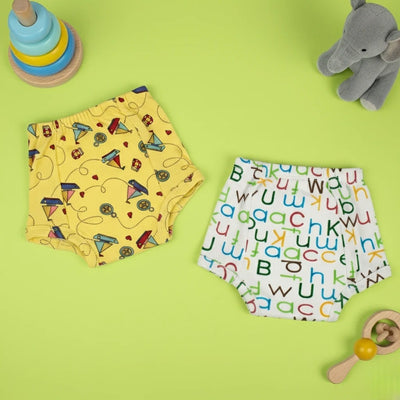
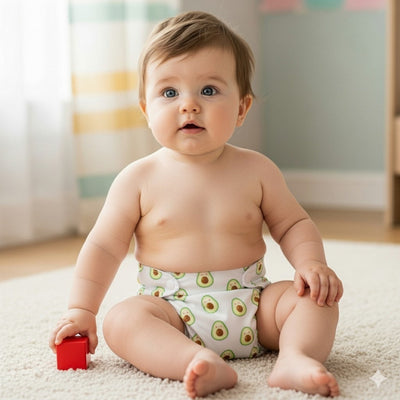
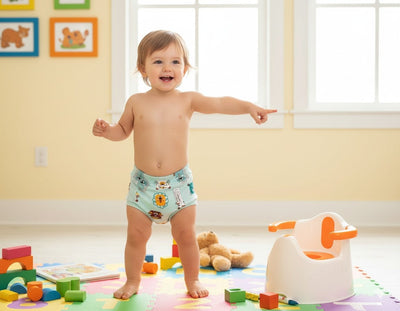
Good potty training pants, like Snugkins padded underwear, sit precisely in the middle of these two extremes. The cotton padding absorbs enough to contain a small accident and prevent it running down legs onto the floor, while still leaving your toddler clearly aware that something damp is happening in their pants. That awareness is the actual learning trigger. Combine that with the fact that training pants look and feel like real underwear - your toddler can pull them up and down independently, which builds the toilet-going habit from day one - and you start to understand why this simple piece of clothing makes such a difference to how quickly training clicks.
What to Actually Look for When Buying Training Pants in India
The Indian baby product market has exploded in the last five years, and training pants are no exception. Walk into any FirstCry or browse Amazon and you will find dozens of options at wildly varying price points. Most of them are not worth your money. Here is what genuinely matters when you are evaluating training pants for an Indian toddler.
Fabric is the single most important factor. India's climate makes synthetic-blend training pants a bad idea almost everywhere in the country. In cities like Chennai, Pune, Hyderabad, or Mumbai - where humidity sits between 60 and 90 percent for much of the year - polyester-blend training pants trap heat against baby skin and cause the kind of prickly heat rash that makes your toddler miserable and unwilling to cooperate with potty training at all. Pure cotton is the only sensible choice. Snugkins uses 100% cotton with azo-free dyes - the same dye standard used in hospital-grade infant textiles - because Indian children's skin is frequently more sensitive to chemical irritants than the packaging of cheaper products would have you believe.
Fit and ease of removal matter enormously, and they are often overlooked. When your toddler needs to go, there's no time to wait. Not in thirty seconds after you have wrestled with a tight waistband or fiddly fastenings. The waistband should be wide, soft elastic - firm enough to hold the pants up during running and climbing, gentle enough that it leaves no red marks. The leg openings should seal lightly to prevent leakage without restricting movement. And the whole thing should be something a 22-month-old can grab and pull down in one smooth motion. If you are still pulling their pants down for them at age two and a half, the pants are working against the independence that makes training stick.
Best Potty Training Pants in India - Honest Comparison
Let's talk about what actually separates good training pants from the dozens of mediocre options flooding the Indian market. Walk into any FirstCry or browse Amazon and you will find products at wildly varying price points - most of them not worth your money. The ones that consistently earn repeat purchases from Indian parents share a small set of qualities that are worth understanding before you spend anything.
The first is fabric integrity. Genuine 100% cotton construction - not a cotton-blend, not 'cotton-feel' polyester - makes a measurable difference in Indian conditions. Snugkins potty training pants use pure cotton with azo-free dyes throughout, which matters both for skin safety and for breathability in a country where your toddler's training period will overlap with at least one season of serious heat or humidity. Cheaper options cut costs by using synthetic inner linings that feel soft in the packet but trap heat against skin within twenty minutes of being worn.
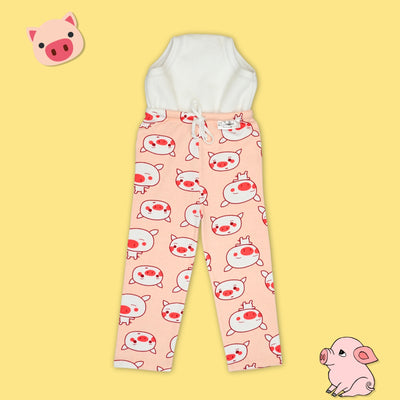
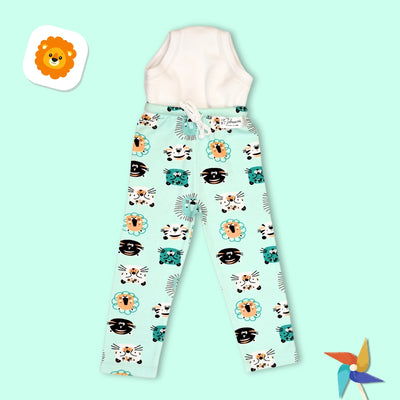
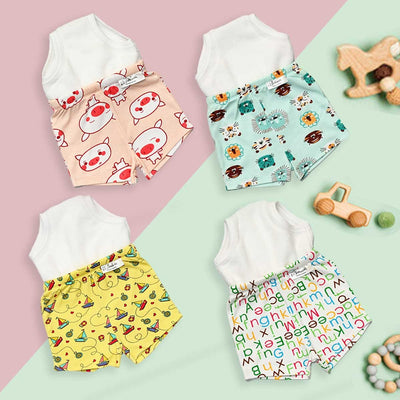
The second key feature is its thoughtfully designed fit, made for the comfort and movement of Indian toddlers. Sizing that works for Western children does not always translate well here - Indian toddlers often have different proportions around the waist and thighs, and pants that gap at the legs or dig at the waist are both uncomfortable and functionally useless since they leak. Snugkins sizes their padded underwear specifically for Indian builds, with soft wide-elastic waistbands that hold without marking and leg openings that seal lightly without pinching. The three-layer padding construction - cotton inner, absorbent middle, semi-resistant outer - strikes the right balance between containment and awareness that makes training pants actually work as a training tool rather than just an expensive diaper.
How to Use Potty Training Pants for the Fastest Results
Buying the right training pants is step one. Using them correctly is what actually determines how quickly your toddler trains. The biggest mistake Indian parents make - often under pressure from well-meaning family members - is using training pants as a diaper replacement rather than as a training tool. If you put Snugkins padded underwear on your toddler and then wait for them to wet themselves without any active toilet-trip routine, you have made slightly better diapers, not a training programme.
The approach that works: from the morning you switch to training pants, establish a potty schedule. Take your toddler to the toilet every 25-30 minutes throughout the day, whether they ask or not. Before meals, after meals, before naps, immediately after waking. Make the trips quick, cheerful, and low-pressure - you are building a habit, not conducting an exam. When they succeed, celebrate genuinely. When they have an accident in their training pants, clean up calmly without any scolding or visible frustration. The pants will contain the accident well enough to make cleanup simple, which keeps your stress levels manageable and your toddler's emotional experience of potty training neutral or positive.
Within the first week of consistent use, most toddlers between 22 and 30 months begin to recognise the sensation of needing to urinate before it happens rather than during or after. That recognition is the entire goal of training pants - and once it is established, the trips to the toilet start happening more naturally and with less parent-initiated prompting. By week two or three, many children are managing daytime dryness reliably. The training pants have done their job: they provided just enough containment to make the learning process manageable while keeping awareness intact.
Training Pants vs Diapers vs Bare-Bottom Training
|
Factor |
Disposable Diapers |
Snugkins Training Pants |
Bare-Bottom Training |
|
Wetness awareness |
None - too dry |
Yes - child feels damp |
High - immediate |
|
Accident containment |
Full |
Good - small accidents |
None |
|
Works in Indian heat |
Poor - traps heat |
Excellent - 100% cotton |
Good but limiting |
|
Independent use |
No |
Yes - easy pull-up/down |
Yes |
|
Suitable for outings |
Yes |
Yes |
No |
|
Skin safety |
Chemical risk |
Azo-free dyes, cotton |
Safest - no fabric |
|
Best for |
Pre-training |
Active potty training |
Home-only training |
Expert Insight
"I recommend cotton training pants to all my patients starting potty training - the wetness awareness they provide is the core mechanism of learning, and for Indian children in our climate, breathable cotton is the only fabric I would suggest."
- Dr Anita Shetty, Paediatrician, Bengaluru
Key Takeaways
• Good training pants sit between diapers and bare-bottom training - they contain small accidents while keeping your toddler aware of wetness, which is the actual learning mechanism.
• For Indian toddlers, 100% cotton with azo-free dyes is non-negotiable - synthetic blends cause prickly heat rashes in India's humidity and make an already challenging process much harder.
• Training pants only work as a training tool when paired with a consistent toilet-trip schedule - used passively, they are expensive diapers; used actively, they can achieve reliable daytime dryness within 2-3 weeks.
FAQs About Potty Training Pants in India
Q: At what age should Indian toddlers start using potty training pants?
Most paediatricians recommend starting between 18 and 24 months when readiness signs appear - staying dry for two-hour stretches, showing awareness of urination, and being able to pull clothing up and down. Age is a rough guide only; readiness signs matter more than the number of months.
Q: How many pairs of training pants do I need?
Start with at least 8-10 pairs. During the first week of active training, accidents happen frequently - sometimes 4-6 times a day. Having enough clean pairs means you are not doing emergency laundry every evening, which matters especially during monsoon season when drying time is longer.
Q: Are Snugkins training pants safe for babies with sensitive skin?
Yes. Snugkins uses 100% cotton construction with azo-free dyes - the same standard used in hospital-grade infant textiles. They are specifically doctor-recommended for Indian toddlers, including children with eczema-prone or heat-sensitive skin which is common in India's climate.
Q: Should I use training pants at night too?
No - night training and daytime training are completely separate milestones governed by different physical mechanisms. Nighttime dryness depends on a hormone called ADH that many children do not produce in sufficient quantities until age 4-5. Use a diaper at night and focus training pants entirely on daytime use.
Q: How are potty training pants different from regular cotton underwear?
Training pants have extra layers of absorbent cotton padding in the gusset area that can absorb a small accident without it immediately running down legs or onto the floor. Regular underwear has no absorbency at all. This extra containment gives you time to get your child to the toilet after an accident starts without a full cleanup situation.
Conclusion
Ready to start potty training? Snugkins potty training pants are trusted by thousands of Indian parents and recommended by paediatricians across the country. Made from 100% cotton with azo-free dyes, designed for Indian toddler builds, and built to handle the realities of the Indian potty training journey - from apartment living to joint families to monsoon season laundry. Browse the full range and find the right pack for your little one.