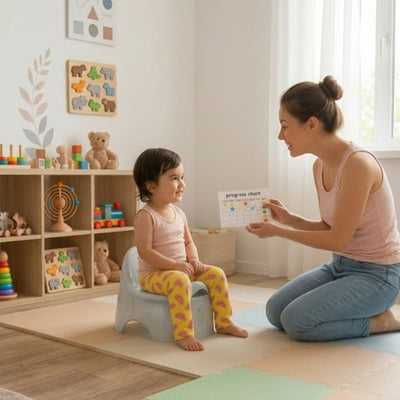
How to Potty Train Older Kids

How to Potty Train Older Kids: Practical Methods That Actually Work
Potty training can feel challenging at any stage, but when older children continue to need extra support, the experience can feel especially overwhelming for parents. Many families search for answers about potty training age or the ideal age for potty training, hoping for a clear timeline. In reality, toilet learning is rarely defined by one perfect age. Successful potty training is usually shaped more by readiness, emotional comfort, consistency, and practical support than by a number alone.
For some children, toilet learning happens quickly. For others, delays may be connected to anxiety, constipation, sensory sensitivities, school bathroom avoidance, developmental differences, or confidence struggles after repeated accidents. This is why potty training older children often requires a more thoughtful, educational approach that focuses on body awareness, dignity, and independence.
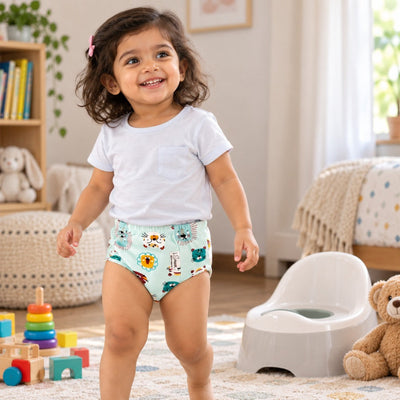
Whether you are exploring potty training pants, choosing padded underwear, or looking for practical routines, the goal is the same: helping children build confidence while learning essential life skills.
What Makes Potty Training Older Kids Different?
Potty training older children is often very different from early toilet learning because older kids may already feel self-conscious about accidents or delayed progress. While younger children may simply be learning new routines, older children may also be navigating embarrassment, fear, frustration, or school-related anxiety.
Common reasons older children may need extra potty training support:
-
Constipation or stool withholding
-
Fear of flushing or public toilets
-
Sensory sensitivities
-
Anxiety about accidents
-
Delayed body awareness
-
Difficulty with transitions
-
Emotional stress or routine changes
Because of these challenges, potty training older children is often less about introducing the toilet and more about rebuilding trust, confidence, and practical habits.
When Should You Start Potty Training?
Many parents focus heavily on potty training age, but there is no universal timeline that works for every child. The right age for potty training is often when a child shows signs of readiness, not simply when they reach a specific developmental stage.
General readiness is often more important than age:
Some children may show early curiosity, while others may need longer support before they feel emotionally or physically prepared.
Instead of focusing only on potty training age, look for:
-
Awareness of wetness
-
Staying dry longer
-
Interest in underwear
-
Communicating bathroom needs
-
Pulling clothing up and down
-
Predictable bowel movements
-
Desire for independence
The key takeaway: Potty training tends to be smoother when readiness, routine, and support align.
Signs Your Child May Be Ready for Potty Training
Recognising readiness can make potty training feel less stressful.
Important signs include:
-
Longer dry periods
-
Awareness of needing to go
-
Interest in the bathroom
-
Ability to follow instructions
-
Discomfort with wet clothing
-
Independence with dressing
-
Curiosity about potty training pants or underwear
For older children, readiness may also appear as frustration with accidents or a stronger desire to feel more independent.
How Do You Potty Train an Older Child Step-by-Step?
Step 1: Start with Emotional Safety
Older children often need reassurance first.
Focus on:
-
No punishment
-
Calm communication
-
Confidence-building
-
Problem-solving
Children are more likely to cooperate when they feel safe.
Step 2: Build a Predictable Toilet Routine
Routine can strengthen body awareness and reduce accidents.
Encourage toilet visits:
-
After waking
-
Before school
-
After meals
-
Before outings
-
After school
-
Before bedtime
Scheduled practice can help children who ignore body signals or avoid bathroom breaks.
Step 3: Choose Practical Potty Training Products
The right tools can support confidence and independence.
Helpful options:
-
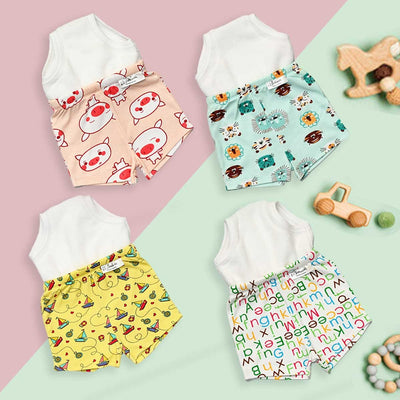
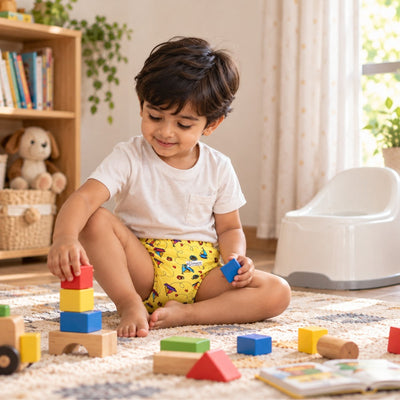
Potty training shorts
-
Step stools
-
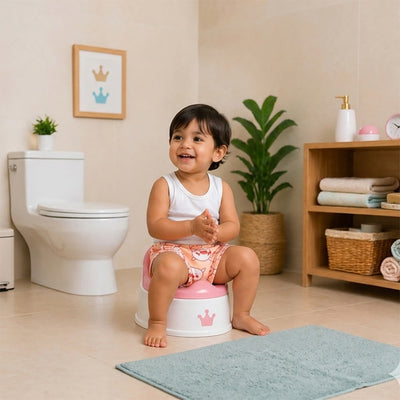
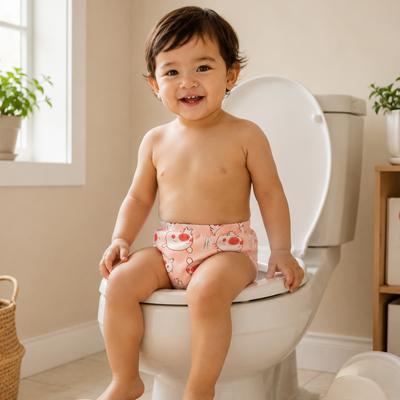
Child-friendly toilet seats
Why padded underwear helps:
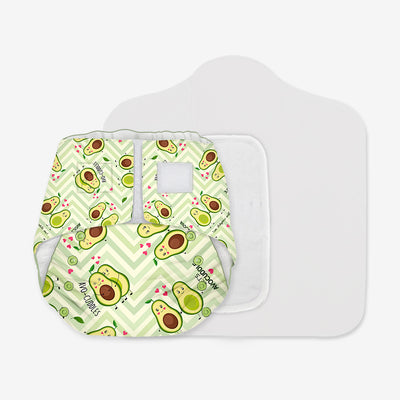
Padded underwear can support daytime potty training by managing small accidents while still encouraging body awareness.
Step 4: Teach Independence Skills
Older kids benefit from full self-management.
Practice:
-
Pulling pants quickly
-
Wiping
-
Flushing
-
Handwashing
-
Changing after accidents
-
Packing spare clothing
These skills reduce anxiety and improve confidence.
What Techniques Actually Work for Potty Training Older Children?
Positive Reinforcement
Celebrate:
-
Sitting on the toilet
-
Staying dry longer
-
Asking for help
-
Following routines
Potty Training with Pants
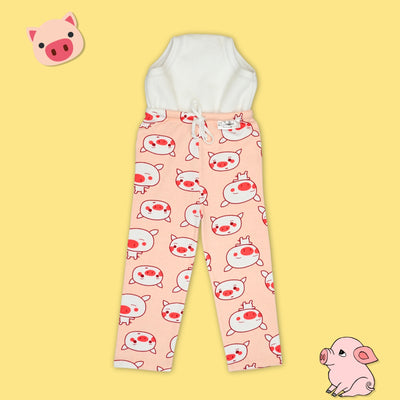
Potty training pants can help older children transition more comfortably by offering mild support while encouraging independence.
Problem-Solving
Address specific barriers such as:
-
Fear of flushing
-
Public toilet anxiety
-
Constipation
-
Sensory discomfort
Consistency
Small, repeated habits are often more effective than pressure.
How to Motivate Older Kids for Toilet Training
Older children may respond better to dignity-based motivation than toddler-style rewards.
Helpful strategies:
-
Progress trackers
-
Reward charts
-
Extra privileges
-
Letting them choose potty training pants or padded underwear
-
Private praise
-
Goal-setting
Key Takeaway :
Motivation should build confidence, not pressure.
What Mistakes Should You Avoid While Toilet Training Older Children?
Avoid:
-
Punishing accidents
-
Shaming
-
Comparing siblings
-
Ignoring constipation
-
Forcing toilet sits
-
Making potty training feel childish
-
Unrealistic expectations
Older children often need emotional reassurance just as much as practical support.
When Should You Consult a Doctor?
Consider medical guidance if your child experiences:
-
Persistent constipation
-
Painful bowel movements
-
Severe toilet fear
-
Frequent accidents despite routine
-
Regression after progress
-
Developmental or sensory concerns
Professional support can sometimes make potty training significantly easier.
Key Takeaways
-
Potty training is a developmental journey, not a race
-
Potty training age varies widely based on readiness
-
Age for potty training matters less than physical and emotional readiness
-
Padded underwear can support daytime potty training
-
Potty training pants help encourage independence
-
Potty training with pants can ease transitions
-
Potty training shorts can support active daytime learning
-
Potty training pajamas may support bedtime comfort
-
Routine, patience, and consistency are essential
FAQs
Q 1. What is the best time to start potty training?
Ans : Potty training often works best when a child shows readiness signs like body awareness, communication, and interest in independence rather than following one fixed timeline.
Q 2. What should children wear during potty training?
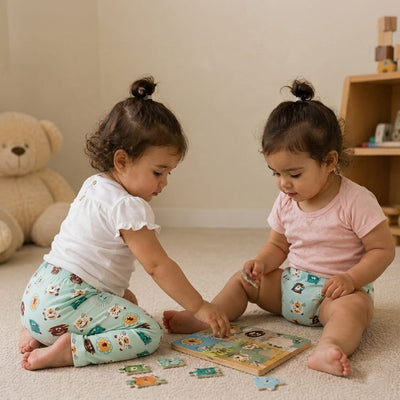
Ans : Snugkins padded underwear, potty training pants, potty training shorts, and potty training pajamas can support comfort, confidence, and easier potty training routines.
Q 3. What motivates children during potty training?
Ans : Positive reinforcement, predictable routines, praise, and choice-based encouragement can help improve potty training confidence.
Q 4. Are accidents normal during potty training?
Ans : Yes, accidents are a normal part of potty training and help children build body awareness over time.
Q 5. How can I potty train an older child without shame?
Ans : Use patience, positive reinforcement, and padded underwear to support confidence and independence.
Q 6. What if my older child refuses the toilet?
Ans : Gentle routines and potty training pants or shorts can help reduce resistance and build comfort.
Q 7. Can Snugkins help older children with daytime accidents?
Ans : Yes, Snugkins potty training essentials are designed to support comfort, dignity, and daytime confidence.
A Message from Snugkins
At Snugkins, we believe potty training should feel supportive, practical, and confidence-building for both children and caregivers.
Our padded underwear, potty training pants, potty training shorts, and potty training pajamas are thoughtfully designed to support potty training with pants while encouraging comfort, independence, and daytime learning. With patience, encouragement, and the right tools, potty training can become a smoother and more empowering journey.