Langot vs. Cloth Diaper: When to Use Each and When to Switch

During the first few months, parents go through several diaper changes every day. Choosing something comfortable for the baby and easy to manage can make a big difference to the daily routine.
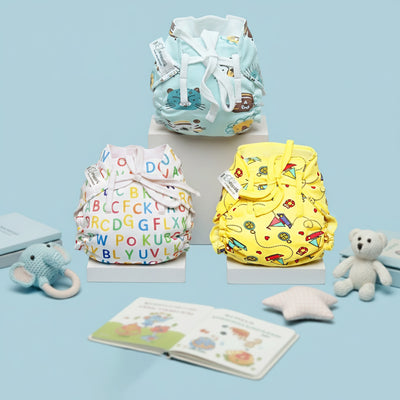
Langots and cloth diapers are two reusable options that many parents consider. While they may seem similar, they work differently. A langot is lightweight and suitable for frequent changes, whereas a cloth diaper has additional absorbent layers to manage wetness.
But which one should you choose for your baby? Can you use both, and when should you switch from a langot to a cloth diaper? Let's look at their differences and understand when each option can be useful.
What Is a Langot?
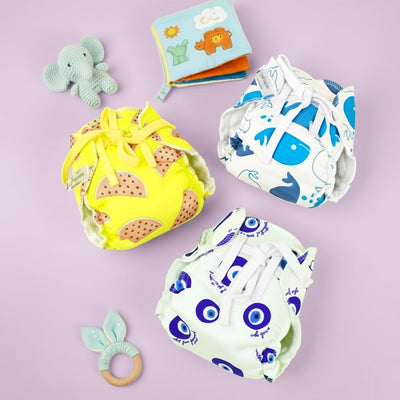
A langot is a traditional baby garment designed to cover the baby's lower body and absorb small amounts of urine. Usually made from cotton, it is lightweight, breathable and easy to wash.
A cotton langot for newborn babies can be a practical choice for parents who prefer simple, reusable diapering options. Its soft fabric feels gentle against delicate skin and is easy to change whenever needed.
Modern langots also come with improvements in fit and design. For example, Snugkins Langots are made from 100% cotton and feature seamless stitching, gentle elastic and AZO dye-free fabric. They are washable, reusable and designed for everyday comfort.
Benefits of Using a Langot
-
Soft on delicate skin: Made from cotton, langots offer a soft and comfortable feel for babies
-
Easy to wash: Langots can be washed, dried and reused, making them a practical option for everyday use.
-
Lightweight: Their simple design allows babies to move comfortably without the bulk of multiple absorbent layers.
-
Convenient for frequent changes: They are easy to put on and remove, which is helpful when changing newborns several times a day.
A langot for newborn babies can be particularly useful during the early months when frequent changes are part of the daily routine. However, regular langots have limited absorbency, so they should be changed as soon as they become wet or soiled.
What Is a Cloth Diaper?
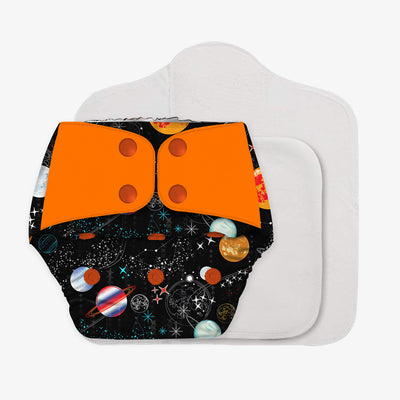
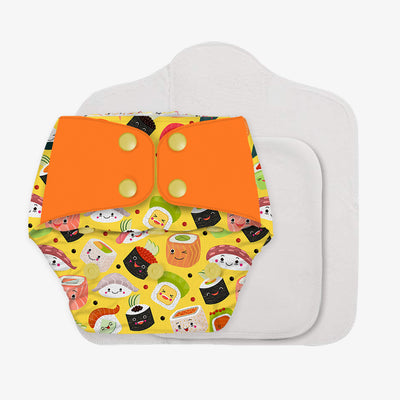
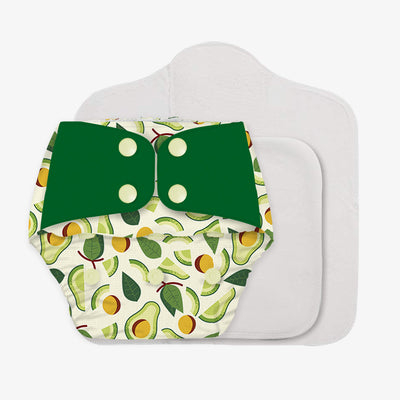
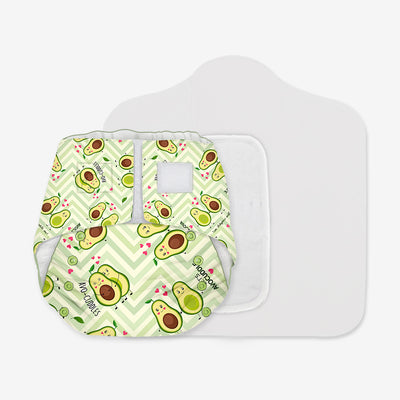
A cloth diaper is a reusable diapering option designed with absorbent layers that hold urine and help prevent leaks. Unlike a basic cotton langot, it generally has an outer cover and one or more absorbent inserts or pads.
A reusable cloth diaper is a useful choice for parents who want a washable alternative to disposable diapers while having additional absorbency.
Modern cloth diapers often come with adjustable snaps, waterproof outer layers and absorbent inserts. These features help provide a comfortable fit and make them suitable for different stages of a baby's growth.
Parents looking for a cloth diaper for newborn babies should choose a newborn-specific design with suitable sizing, soft materials and enough absorbency for their little one's needs.
Benefits of Using Cloth Diapers
-
More absorbency: Multiple layers and inserts can hold more liquid than a basic langot.
-
Washable and reusable: Cloth diapers can be washed and used repeatedly, reducing dependence on disposable alternatives.
-
Adjustable fit: Some designs have snap buttons that allow parents to adjust the fit as their baby grows.
-
Useful for outings: The additional absorbent layers can make cloth diapers a convenient option when travelling or spending time outside the home.
A good newborn cloth diaper should fit comfortably around your baby's waist and legs without feeling too tight. Regular checks and timely changes are important to keep your baby's skin clean and comfortable.
Langot vs. Cloth Diaper: What Is the Difference?
Both options can be useful during a baby's early months, but their construction and absorbency are different.
Here's a quick comparison to help you understand which one may work better for your baby.
|
Feature |
Langot |
Cloth Diaper |
|
Material |
Usually cotton |
Outer cover with absorbent inserts |
|
Absorbency |
Limited |
Higher, depending on the inserts |
|
Design |
Simple and lightweight |
Structured with multiple layers |
|
Reusability |
Washable and reusable |
Washable and reusable |
|
Best suited for |
Daytime use and frequent changes |
When additional absorbency is needed |
|
Fit |
Simple, lightweight fit |
Adjustable or structured fit |
|
Bulk |
Generally less bulky |
Usually bulkier due to absorbent layers |
Neither option is necessarily better for every situation. Your choice should depend on your baby's age, weight, wetting pattern and daily routine.
When Should You Use a Langot?
A langot works well when you need a lightweight option that is easy to change. It can be particularly convenient when your baby is at home and you can check for wetness regularly.
Here are some situations when using a langot makes sense:
1. During the early newborn months
A soft cotton langot can be a convenient everyday option for newborns, especially when parents are comfortable with frequent changes.
2. During daytime at home
When your baby is spending time at home, a langot can be a comfortable option for regular daytime wear.
3. When frequent changes are manageable
Newborns may wet their langots several times throughout the day. If you can check and change them regularly, they can be a practical part of your baby's daily routine.
4. When you prefer a lightweight option
Some babies may be more comfortable in a simple, less bulky garment. A cotton langot can be a suitable choice for such situations.
Snugkins Langots are designed for babies from Day 1 to 9 months. Made from 100% cotton, they are washable, reusable and quick-drying, with gentle elastic and seamless stitching.
They can absorb up to one pee, making them suitable for regular daytime use. However, they should be changed promptly after wetting and are not intended to replace highly absorbent diapers.
When Should You Choose a Cloth Diaper?
While a langot is useful for frequent daytime changes, there are situations when your baby may need something with greater absorbency. This is where a cloth diaper can be helpful.
Consider using one in the following situations:
1. When your baby wets the langot frequently
If you find yourself changing your baby's langot very often, a cloth diaper with absorbent inserts may be a more convenient option.
2. When going outdoors
Cloth diapers can be useful when travelling or taking your baby out. Their additional absorbent layers offer more protection than a basic langot. Remember to carry spare inserts and a wet bag for used diapers.
3. When you need additional absorbency
A cloth diaper with suitable inserts can hold more liquid than a regular langot. This can help reduce frequent clothing changes, although you should still check and change the diaper regularly.
4. As your baby grows
As babies grow, their movement, size and wetting patterns change. An adjustable cloth diaper can be useful during this stage, provided it fits your baby properly.
Snugkins New Age Cloth Diapers offer a practical, reusable option for growing babies weighing 5-17 kg. With a waterproof outer shell and absorbent cotton inserts, they provide added protection against wetness while keeping everyday diaper changes convenient for parents.
Padded Langot vs. Cloth Diaper: Is There a Difference?
Parents looking for a padded langot for newborn babies may also come across reusable cloth diapers. While both are reusable alternatives to disposable diapers, they differ in their design and absorbency.
A padded langot has an extra absorbent layer compared with a regular cloth langot. It offers some added absorbency while keeping the design lightweight and easy to wear.
A cloth diaper has a more structured design, usually with a waterproof outer layer and absorbent inserts. It can hold more liquid than a basic langot, depending on the inserts used.
So, which one should you choose? A padded langot may work for babies who need a lightweight option.. A cloth diaper may be more suitable when you need greater absorbency. In either case, check the product's absorbency and change it as needed to keep your baby comfortable.
When Should You Switch from a Langot to a Cloth Diaper?
There is no fixed age when every baby needs to move from a langot to a cloth diaper. It depends more on your baby's growth and everyday needs than on their age.
You may want to consider introducing a cloth diaper when:
-
Your baby starts wetting the langot more frequently.
-
You notice more leaks or frequent clothing changes.
-
Your baby becomes more active and needs a secure, comfortable fit.
-
You need additional absorbency when travelling or going outdoors.
-
Frequent langot changes become difficult to manage.
You can continue using langots even after introducing cloth diapers. Simply choose between the two based on your baby's needs and your daily routine.
For example, you can use a langot during the day at home when frequent changes are manageable and choose a cloth diaper for outings or situations when you need additional absorbency.
There is no need to follow a fixed timeline. Choose what feels comfortable and works best for your baby.
How Snugkins Makes Everyday Baby Care Easier
Every stage of early childhood comes with different baby-care needs. Snugkins brings together reusable essentials such as langots, nappies, cloth diapers, potty training pants and padded underwear to support parents through these everyday stages.
Here's a closer look at the range:
1. New Age Langots for Everyday Comfort
Made from 100% cotton, Snugkins New Age Langots are designed for babies from Day 1 to 12 months. They feature gentle elastic, seamless stitching and quick-drying fabric. Their washable and reusable design makes them suitable for regular daytime use.
2. New Age Cloth Diapers for Growing Babies
Designed for babies weighing 5-17 kg, Snugkins New Age Cloth Diapers feature adjustable snaps, a waterproof outer shell and absorbent cotton prefold pads. The adjustable design helps provide a suitable fit as babies grow.
3. Potty Training Pants for Toddlers
For children aged 1-8 years, Snugkins offers potty training pants and training shorts designed to support daytime toilet training. They help children become familiar with the feeling of wetness while giving parents a practical option during the transition away from diapers.
4. Padded Underwear for Everyday Wear
Snugkins padded underwear offers a reusable option for children who are moving towards regular underwear. Made with cotton and multiple absorbent layers, it provides added protection against small leaks while allowing children to get comfortable with wearing underwear.
From everyday langots and nappies to cloth diapers and potty training essentials, Snugkins offers reusable options for different stages of your child's early years.
How to Choose the Right Option for Your Baby
Before buying a langot or cloth diaper, consider a few things to make sure you're choosing the right option.
-
Your baby's age and weight: Check the recommended age and weight range to ensure a comfortable fit.
-
Absorbency needs: A basic langot may work for frequent daytime changes, while a cloth diaper is more suitable when you need additional absorbency.
-
Fabric and skin comfort: Look for soft, breathable materials and gentle stitching that feel comfortable against delicate skin.
-
Ease of washing: Since reusable products need regular washing and proper drying, choose options that fit your daily routine.
-
Your baby's activity: As your baby becomes more active, a secure and adjustable fit becomes increasingly important.
When comparing the best cloth diapers in India, consider factors such as fabric quality, absorbency, fit, adjustable features and ease of washing. Choose a diaper that suits your baby's weight, provides the required absorbency and is easy to use every day.
Final Thoughts
Every baby has their own pace, and finding the right diapering routine can take a little time. Whether you prefer the simplicity of a langot or the added absorbency of a cloth diaper, having reliable reusable options can make everyday care easier. With its range of reusable baby-care essentials, Snugkins aims to support parents through these early years, making it easier to find products that suit their little one's changing needs.
Frequently Asked Questions
1. Is a langot or cloth diaper better for newborns?
Ans: A langot is suitable for frequent daytime changes, while a cloth diaper is a better option when additional absorbency is needed.
2. Can newborns use reusable cloth diapers?
Ans: Yes, newborns can use reusable cloth diapers as long as they are designed for their weight and provide a comfortable fit.
3. When should I change my baby's langot?
Ans: Change it as soon as it becomes wet or soiled, as langots have limited absorbency.
4. Can I use langots and cloth diapers together?
Ans: Yes, you can use both depending on your baby's needs, using langots for frequent changes and cloth diapers when you need additional absorbency.
5. When should I start using potty training pants?
Ans: You can introduce potty training pants when your toddler shows signs of readiness, such as staying dry for longer or showing interest in using the toilet.