How Often to Change a Baby Langot?

How Often Should You Change an Infant Langot? A Parent's Guide
There's no stopwatch for this one. Langots don't run on a fixed schedule - they run on your baby. Some newborns need a change every hour, others stretch a little longer - and figuring out which kind of baby you have is really the whole game.
This guide walks you through exactly how often to change a newborn langot, how to build a routine around it, and how to pick the right langot for your baby's day.
Table of Contents
-
How Often to Change a Newborn's Langot
-
How to Tell If a Langot Is Wet
-
Newborn Langot Changing Schedule: A Sample Daily Routine
-
Preventing Rash with Frequent Changes
-
Choosing the Right Type of Langot
-
How Many Langots Should You Keep?
-
FAQs on Infant Langot Care
-
Key Takeaways
How Often to Change a Newborn Langot
Forget the idea of a "correct" number of hours - it doesn't exist. Newborns have tiny bladders and pass urine frequently, so the honest answer is: check your langot for newborn often, and change it the moment it's wet or soiled.
As a general routine, most parents find it helpful to:
-
Change it immediately after a bowel movement
-
Check for wetness every couple of hours through the day
-
Change it as soon as the fabric feels damp or saturated
-
Put on a fresh one right after cleaning your baby
-
Check again before bedtime and after any long sleep stretch
Every baby is different. Some newborns will need frequent changes all day long; others stay comfortable a little longer between wettings. The one rule that doesn't bend: don't wait for a set time if the langot is already wet.
Knowing you need to check often is only half the job - the other half is knowing exactly what you're checking for.
How to Tell If a Langot Is Wet
Babies don't always cry or fuss when their langot is wet, which means the checking has to come from you, not from them. Here's what to look and feel for:
-
Feel the fabric - Gently touch the inner fabric. Dampness is your clearest, fastest signal.
-
Notice the weight - A wet langot may feel noticeably heavier in your hand than a clean one, making this an easy check even without looking.
-
Build it into routine care - Check during feeds, while changing clothes, or when getting your baby ready for sleep. These natural pauses make it easier to stay on top of changes without extra effort.
-
Watch for visible soiling - After a bowel movement, change promptly even if the langot doesn't feel very wet yet.
Once these checks start to feel automatic, it becomes easier to fit them naturally into your baby's daily routine.
Newborn Langot Changing Schedule: A Sample Daily Routine
You don't need a rigid clock, but a loose rhythm makes the day easier to manage, especially in the first few weeks.
-
Morning - Start the day with a fresh langot right after your baby wakes. Check again after the first feed, since many newborns pass urine or stool shortly after feeding.
-
Through the day - Build in a quick check every 2-3 hours, and add an extra check anytime your baby seems unsettled, fussy, or has just fed. Change on the spot the moment you find wetness or soiling - don't hold off until the "next scheduled check."
-
Before naps and bedtime - Always start sleeping with a clean, dry one. Keep in mind a langot generally holds about one wetting, so for longer overnight stretches, it may not stay dry the whole night through. A padded langot adds a bit of extra cushioning, but it isn't a way to extend how long it lasts. For longer sleep windows, many parents plan for a wake-and-check partway through the night, or pair the langot with an extra absorbent layer for that stretch.
-
After waking - The first check after any nap or overnight sleep is non-negotiable, this is usually when it's been in use the longest.
Over time, you'll start to notice your own baby's pattern - some settle into a fairly predictable rhythm, while others stay unpredictable for longer. Either way, the routine above is a starting point, not a fixed rule.
A steady routine like this does more than just keep your baby dry - it's also your best defence against rash.
Preventing Rash with Frequent Changes
Regular changes go a long way toward keeping your baby comfortable, but a few small habits make the real difference in preventing rash:
-
Change wet or soiled langots promptly - don't leave your baby in one longer than necessary.
-
Clean gently - avoid excessive rubbing, especially on sensitive newborn skin.
-
Keep the skin dry - pat (don't rub) the area dry before putting on a fresh one.
-
Choose the right size - a good fit reduces friction and keeps things comfortable.
-
Wash reusable langots thoroughly - follow washing instructions and make sure the fabric is completely clean and dry before reuse.
If your baby develops persistent redness, broken skin, swelling, or a rash that doesn't improve with care at home, speak with your paediatrician.
Alongside the routine itself, the type of langot you reach for - like a soft cotton langot - plays a role in your baby's comfort too.
Choosing the Right Type of Langot
Not every baby has the same needs, so the best choice depends on age, skin sensitivity, and your washing routine. One thing to keep in mind: since a langot is cloth, it generally holds about one wetting no matter the type - so pick based on comfort and fit, not on which one you think will "last longer."
Age is still a useful starting point, though, since how often you'll be changing does shift as your baby grows:
|
Age Stage |
Typical Changes Per Day |
Why |
|
Newborn (0-1 month) |
10-12+ |
Tiny bladder, frequent small urinations |
|
1-3 months |
8-10 |
Slightly longer gaps as bladder capacity grows |
|
3-6 months |
6-8 |
More predictable feeding-to-wetting pattern |
|
6+ months |
5-7 |
Longer stretches between wettings, more routine |
These are general ranges, not a rulebook - your baby's own pattern is the one that actually matters, and the checking habits from earlier in this guide will tell you more than any age chart will.
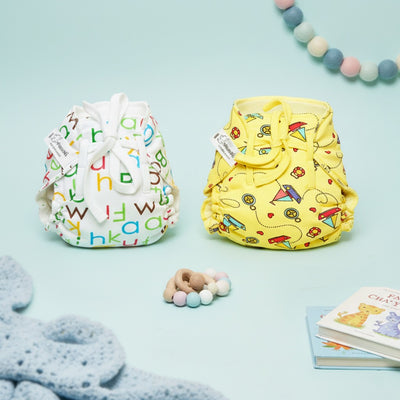
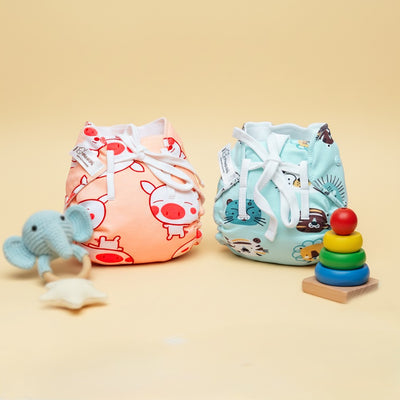
For most newborns, a cotton langot for newborn is a simple starting option - soft, breathable, and easy to wash and reuse. If your baby seems to prefer a little more cushioning, especially during sleep, a padded langot can be another option. Just remember that it still needs to be changed promptly when wet or soiled.
For babies with sensitive skin, the feel of the fabric can matter more than thickness. A dry feel langot may feel more comfortable against the skin by reducing the sensation of dampness. However, it should never be used as a reason to delay a change.
Rather than choosing based on how long it might "last," pick an option that feels comfortable for your baby and fits easily into your washing routine.
Once you've settled on the type that suits your baby, the next practical question is simple: how many do you actually need on hand?
How Many Langots Should You Keep?
With 10-12+ changes a day in the newborn stage, you'll go through langots faster than you might expect - so having a proper supply on hand matters just as much as picking the right type.
How many you need really comes down to two things: how often your baby wets, and how often you're able to do laundry. A baby on the higher end of the changing frequency, paired with washing only once every day or two, means you'll want a bigger stash than a household doing a quick wash every day.
A simple rotation makes this easier to picture:
Clean → Use → Wash → Dry → Reuse
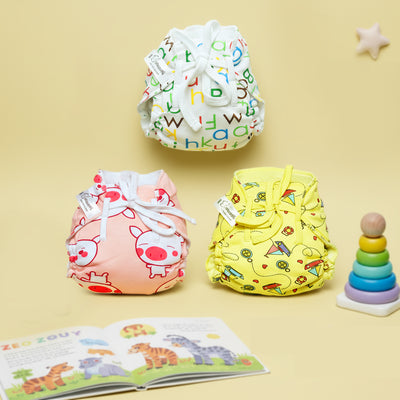
Building this stash doesn't have to mean piecing it together one at a time either - Snugkins langot packs are designed to make it easy to stock up on a reliable rotation without the guesswork.
As a general starting point, many parents keep somewhere in the range of 15-20 langots for a newborn - enough to comfortably cover a full day and night, even if washing gets delayed. It's also worth keeping a few extras set aside specifically for:
-
Nighttime changes
-
Travel or outings, when washing isn't an option
-
Unexpected messes, blowouts, or back-to-back changes
With your type sorted and your stock sorted, the last few things to cover are the questions parents ask most often.
FAQs on Infant Langot Care
Common questions parents ask about infant langot care, answered simply:
Q1. How often should I change an infant's langot?
Ans: Change it whenever it becomes wet or soiled, rather than waiting for a specific number of hours.
Q2. Is cotton suitable for newborns?
Ans: Soft cotton is a comfortable choice for newborns as long as it suits their skin and fits properly.
Q3. Is a padded option better for frequent wetters?
Ans: A padded langot adds cushioning, but it still holds about one wetting and needs changing just as promptly as any other type.
Q4. How can I tell if my baby's langot is wet?
Ans: Feel the fabric for dampness or extra weight, since some babies show little to no reaction to being wet.
Q5. Do frequent changes actually help with comfort?
Ans: Yes, promptly changing wet or soiled langots reduces moisture exposure and helps lower the chance of rash.
Q6. How many langots should I keep on hand for a newborn?
Ans: Most parents keep around 15-20 for a newborn, plus a few extras for travel and unexpected messes, depending on wetting frequency and washing schedule.
If you take away just a few things from this guide, make it these:
Key Takeaways
-
There's no universal schedule - check regularly and change whenever the langot is wet or soiled.
-
Newborns need frequent checks because of their small bladders; don't rely on a fixed number of hours.
-
A langot generally holds about one wetting regardless of fabric type - padded or dry-feel designs add comfort, not extra wear time. For longer overnight stretches, plan for a wake-and-check or an extra absorbent layer.
-
Good fit, gentle cleaning, and thorough drying of reusable langots are just as important as changing frequency for preventing rash.
-
Keeping 15-20 langots on hand, with a few extras for nights and outings, keeps your rotation running smoothly without gaps.
Final Thoughts
There's no one-size-fits-all schedule for changing a baby's langot. The best approach is simple: check regularly, and change whenever it's wet or soiled. For everyday use, look for soft, breathable materials with a fit that suits your baby, and pick padded or dry-feel options if your baby's skin does better with extra cushioning or a drier feel - just remember these are comfort choices, not a way to stretch out time between changes. With a consistent routine and good hygiene habits, langot care becomes one less thing to worry about in your day.