Best Potty Training Underwear for 3 Year Old (2026 Guide)

Potty Training for a 3-Year-Old: A Simple Guide to Padded Underwear
Potty training is a big step in a child's growing independence. It is not just about using the toilet; children also need to learn to recognise when they need to go, communicate with them, and manage their clothes on their own. Every child learns at their own pace, so some may get comfortable with the routine sooner, while others may need a little more time and support.
For many parents, moving from diapers to underwear can be one of the trickier parts. Padded underwear can make this transition easier by giving children the feel of regular underwear while helping manage small daytime accidents. Brands such as Snugkins offer padded underwear designed for this stage, giving parents a practical option to consider during daytime potty training. This guide explains what to expect at this stage and how padded underwear can fit into the process.
What Is the Right Age for Potty Training?
There is no single right age for potty training. Some children begin showing signs of readiness around age two, while others take longer. Being three does not automatically mean a child should already be fully toilet trained.
Instead of focusing only on age, look at what your child is ready to do. If they are beginning to notice their bathroom needs, showing interest in the toilet, or wanting to do things independently, it may be a good time to begin.
The age for potty training can vary from child to child, so there is no need to rush the process. The goal is to introduce toilet habits when your child is ready to learn them.
Signs Your 3 Year Old May Be Ready
When it comes to potty training 3 year old children, readiness can look different from one child to another.
Parents often wonder, are 3 year olds potty trained by this age? Some are, while others are still learning. What matters more is whether your child is showing signs that they are ready to take part in the process.
Your child may be ready if they:
-
Stay dry for longer periods during the day
-
Tell you when they need to pee or poop
-
Show interest in the toilet or bathroom routine
-
Notice when their diaper is wet or dirty
-
Can follow simple instructions
-
Can pull their pants or underwear down and up
-
Want to do more things independently
If several of these signs sound familiar, your child may be ready to begin potty training and gradually move away from diapers during the day.
What Is Padded Underwear?
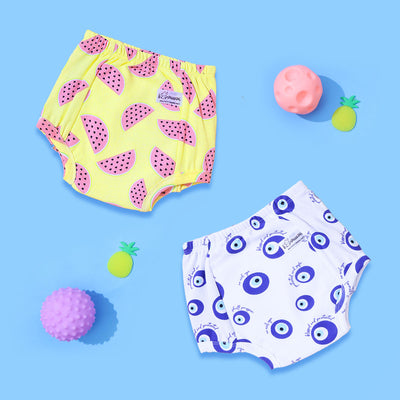
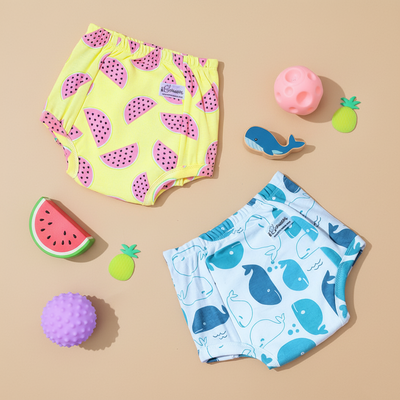
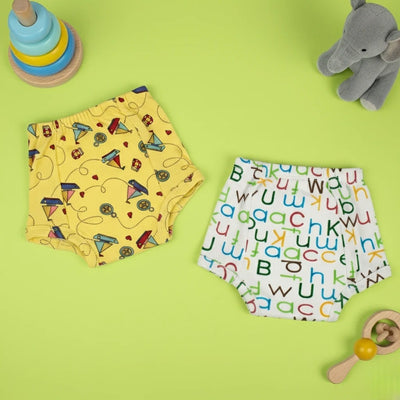
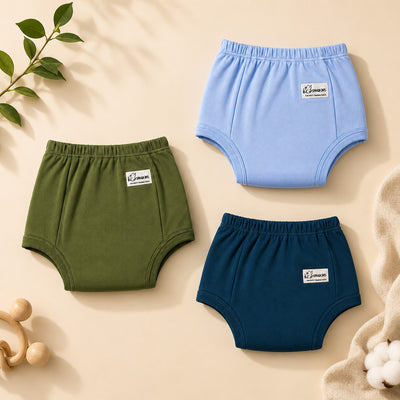
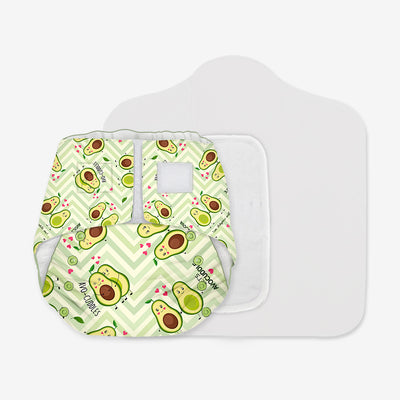
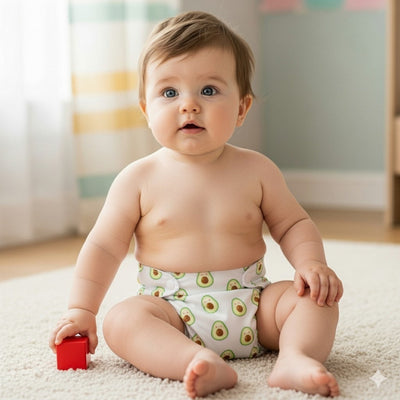
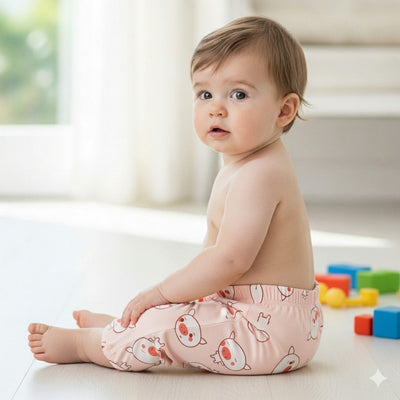
Padded underwear looks and feels similar to regular underwear but has extra absorbent layers in the middle. It is useful during the transition to toilet use, when a child may still have occasional small accidents during the day.
Unlike a diaper, padded underwear is not designed to hold a large amount of urine. Instead, it provides some protection while helping your child get used to wearing underwear and noticing when they are wet.
For children who are learning to use the toilet, padded underwear can be a useful middle step between diapers and regular underwear. It gives your child a chance to get comfortable wearing underwear while continuing to learn the toilet routine.
Moving From Diapers to Padded Underwear
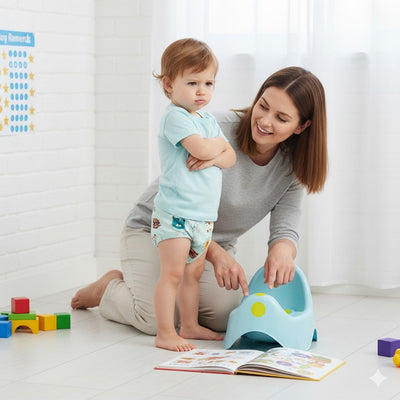
Once your child is showing signs of readiness, you can gradually introduce potty training underwear during the day. Starting at home can make the change easier because you have more time to focus on the new routine.
-
Start with short periods - Let your child wear padded underwear for a few hours at first. Explain simply that this is their underwear and that pee and poop belong in the toilet.
-
Keep toilet trips predictable - Take your child to the toilet after waking up, after meals, before leaving the house, and before a nap. You can also offer a toilet break when you notice signs that they need to go.
-
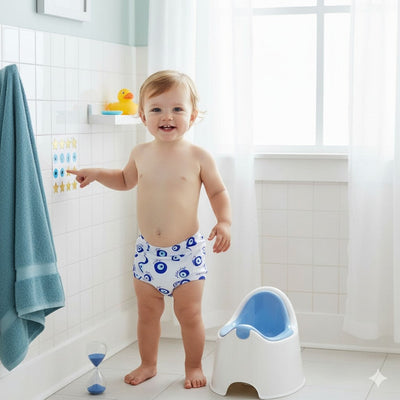
Let them practise - Encourage your child to pull their underwear down before using the toilet and back up afterwards. These small steps help build confidence and independence.
-
Encourage them to tell you - At the beginning, reminders are helpful. Over time, encourage your child to notice their own potty cues and tell you when they need to go.
This is where potty training with training underwear can be helpful, as your child gets used to wearing underwear while continuing to practise the toilet routine.
Potty training padded underwear can also be useful for short outings once your child is comfortable wearing it at home. Keep a spare pair of underwear and an extra set of clothes handy, especially during the early stages.
What to Do When Accidents Happen
Accidents are a normal part of potty training. Even when a child seems to be doing well, they may still have an accident when they are busy playing, tired, or somewhere unfamiliar.
When it happens, keep your response simple. Help your child get changed, let them know that their underwear is wet, and remind them that they can use the toilet next time.
There is no need to scold or embarrass them. A calm response helps your child understand what happened without making the accident feel like something negative.
You may also start noticing patterns. For example, your child may have more accidents when they get distracted while playing or wait too long to use the toilet. Once you notice these patterns, you can adjust the routine accordingly.
What to Look for in Potty Training Underwear
The right potty training underwear should be comfortable enough for your child to wear throughout the day and practical enough for parents to wash and reuse.
When choosing one, look for:
-
Soft, breathable fabric
-
Comfortable waist and leg openings
-
Absorbent layers for small accidents
-
A good fit that allows easy movement
-
An easy pull-up and pull-down design
-
Washable, reusable construction
-
Suitability for daytime use
Reusable potty training underwear can be especially practical during the learning stage, when a child may have more than one accident in a day.
A comfortable fit is just as important as absorbency, especially when your child will be walking, playing, and wearing the underwear for several hours.
Potty Training Pants Size Chart by Age
Choosing the right size can make potty training underwear more comfortable for your child. Age and weight are useful starting points, but checking the waist and thigh measurements can help you find a better fit.
|
Size |
Age |
Length |
Waist Unstretched |
Waist Stretched |
Thigh Unstretched |
Thigh Stretched |
Weight |
|
Size 0 |
9-12 months |
18 cm |
29-30 cm |
46-48 cm |
16-18 cm |
27-29 cm |
6-8 kg |
|
Size 1 |
1-2 years |
20.5 cm |
33-34 cm |
53-55 cm |
19-21 cm |
29-31 cm |
8.5-10 kg |
|
Size 2 |
2-3 years |
22 cm |
35-36 cm |
59-61 cm |
21-23 cm |
31-33 cm |
10.5-12 kg |
|
Size 3 |
3-4 years |
23 cm |
37-38 cm |
63-65 cm |
23-25 cm |
33-35 cm |
12.5-15 kg |
|
Size 4 |
4-5 years |
24 cm |
41-42 cm |
67-69 cm |
25-27 cm |
35-37 cm |
16.5-18 kg |
|
Size 5 |
5-6 years |
25 cm |
43-44 cm |
71-73 cm |
27-29 cm |
37-38 cm |
18.5-21 kg |
|
Size 6 |
6-7 years |
26 cm |
45-46 cm |
74-76 cm |
32-34 cm |
39-41 cm |
22-27 kg |
|
Size 7 |
7-8 years |
27 cm |
47-48 cm |
80-82 cm |
34-36 cm |
44-46 cm |
28-36 kg |
For a three-year-old, Size 3 is the age-based option in this chart. However, weight and body measurements should also be considered before choosing a size. A good fit should feel secure around the waist and thighs without being too tight or restricting movement.
Padded Underwear vs Regular Underwear vs Diapers
Each option can be useful at a different stage of the transition.
|
Padded Underwear |
Regular Underwear |
Diapers |
|
|
Best for |
Daytime potty training |
When accidents are less frequent |
Nighttime, naps or heavier wetting |
|
Absorbency |
Helps manage small accidents |
Little to no absorbency |
Higher absorbency |
|
Feel |
Similar to regular underwear |
Regular underwear |
Diaper-like |
|
Reusable |
Yes, depending on the product |
Yes |
Usually no |
|
Encourages independence |
Yes |
Yes |
Less focused on toilet learning |
|
Best stage |
Transition from diapers |
Later stage of training |
When more protection is needed |
Padded underwear for potty training can work well as a transition between diapers and regular underwear. It gives children the experience of wearing underwear while offering some protection from small daytime accidents. For nighttime, naps, or situations where more protection is needed, a diaper may still be the more practical option.
FAQs About Potty Training for a 3 Year Old
1. What is padded underwear and how does it help with potty training?
Ans: Padded underwear feels like regular underwear while its absorbent layers help manage small daytime accidents as a child learns to use the toilet.
2. When should my child start using potty training underwear?
Ans: You can introduce potty training underwear when your child shows signs of readiness and is ready to move from diapers to daytime underwear.
3. Can padded underwear replace diapers during potty training?
Ans: Padded underwear can be used instead of diapers during daytime training, but diapers may still be more suitable for nighttime, naps, or heavier wetting.
4. How do I choose the right size of potty training underwear?
Ans: Choose a size based primarily on your child's weight and body measurements, with age serving as a general guide for the best fit.
5. How should I use and care for reusable potty training underwear?
Ans: Use it during daytime potty training, change it after an accident, and wash it according to the product's care instructions so it can be reused.
Make Potty Training Easier with Snugkins
At Snugkins, we understand that moving from diapers to regular underwear is a gradual process. Our padded underwear is designed especially for the daytime potty training stage, combining the feel of regular underwear with absorbent layers that help manage small accidents. Made for comfort, easy movement, and repeated use, Snugkins potty training underwear gives children the confidence to practise wearing underwear while parents get a practical, washable option for everyday use. With the right fit and a little patience, Snugkins helps make the transition from diapers to underwear simpler, more comfortable, and less stressful.