Potty Training Baby Girls: When to Start, Signs & Simple Tips

A Complete Guide to Potty Training Baby Girls | Snugkins
Potty training baby girls is an important step in toddler development. It is often the stage where little ones begin building independence, becoming more aware of their body, and learning everyday bathroom habits. For parents, this journey can feel exciting, emotional, and sometimes challenging - especially when trying to understand the right time to begin.
Many parents first notice potty training readiness through small everyday changes. A toddler may feel uncomfortable in a wet diaper, hide or go quiet before passing stool, or become curious about bathroom routines at home. These signs often show that she is becoming more aware of her body and starting to recognise when she needs to go.
Since every toddler develops at a different pace, the potty training age can vary. Some baby girls may show readiness signs earlier, while others may need more time.
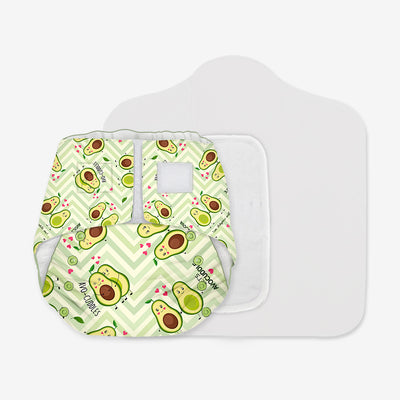
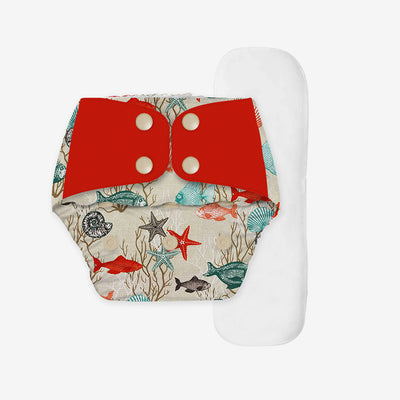
Using comfortable and child-friendly potty training products can make this learning phase easier for both toddlers and parents. That is where Snugkins supports modern parenting with thoughtfully designed new age langots, nappies, padded underwear, and training essentials - making potty training with pants feel more comfortable and manageable during each stage.
Understanding the right age and recognising readiness signs can help parents begin with more confidence and make potty training feel easier.
When Should You Start Potty Training a Baby Girl?
The right time to start potty training looks a little different for every child. While there is no fixed age for potty training, most baby girls begin showing signs of readiness between 18 months and 3 years, though some may be ready earlier or later.
What matters far more than reaching a specific age is recognising whether your child is ready. Starting too early can lead to resistance and frustration- for both of you. Starting when she’s showing genuine signs of readiness usually makes the process smoother and less stressful.
Many parents also notice that girls may become interested in potty training slightly earlier than boys and often pick up routines quickly. That said, every child develops at her own pace, so age is best used as a guide- not a deadline.
Signs Your Baby Girl Is Ready for Potty Training
Before you begin potty training or introduce training essentials, watch for these common signs of readiness:
-
Staying dry for longer stretches during the day
-
Showing clear discomfort in a wet or soiled diaper
-
Hiding behind furniture or going quiet before passing stool
-
Attempting to communicate bathroom needs through words, gestures, or pulling at her diaper
-
Trying to pull her diaper up or down on her own
-
Following simple instructions
-
Showing curiosity when she sees others use the bathroom
When you start noticing several of these signs together, that’s usually a good time to begin. When you notice these signs together, potty training often feels smoother and more positive for your little one.
Preparing for Potty Training: Setting the Stage
A little preparation can make potty training feel much smoother and less overwhelming.
Create a Calm, Positive Environment
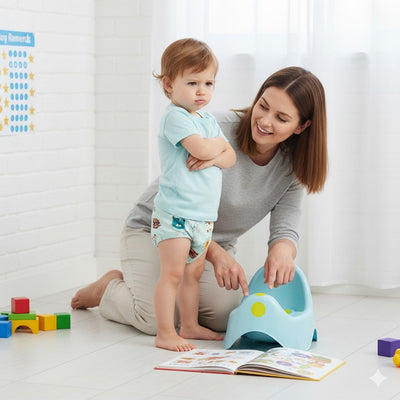
Talk about the toilet in a relaxed, matter-of-fact way before training begins. Let her sit on the potty chair fully clothed just to get familiar with it.
Reading potty-themed picture books together or watching a short educational video can also help. At this stage, the goal is simply comfort and familiarity- not performance.
Get the Right Gear
A child-sized potty chair or toilet seat adapter with a step stool can help your toddler feel safe and steady.
Easy-to-remove clothing- like elastic waistbands and loose bottoms- also makes bathroom trips easier and less stressful.
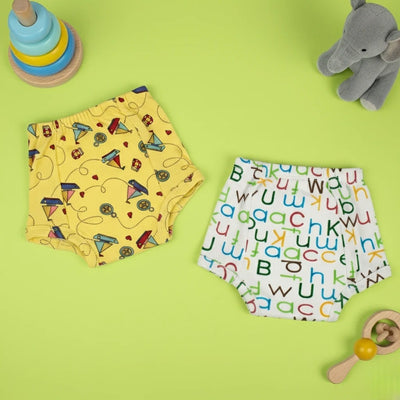
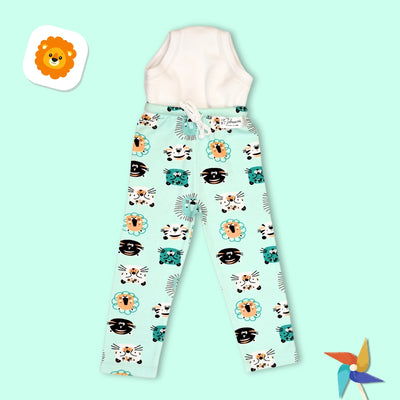
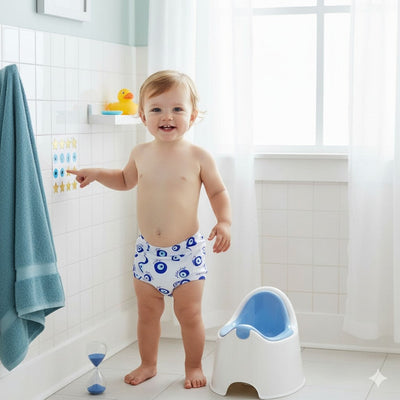
This is also a great time to introduce padded underwear and potty training pants. They act as a practical bridge between diapers and regular underwear, helping toddlers notice wetness while still offering light protection during accidents.
Step-by-Step Guide to Potty Training Baby Girls
Step 1 - Introduce the Potty Gradually
Don’t rush into diaper-free days straight away. Start by letting her sit on the potty chair with clothes on, then later without a diaper, with no pressure to actually use it. Keeping things relaxed helps build comfort and confidence.
Step 2 - Begin Short Diaper-Free Periods
Once she feels comfortable, start with short diaper-free time at home. In the beginning, even an hour at a time is enough. Dress her in potty training pants so she can notice wetness if an accident happens. That awareness helps toddlers connect the feeling of needing to go with reaching the toilet in time, while also encouraging independence.
Step 3 - Build a Potty Routine
Consistency helps your baby girl feel secure and makes potty training easier to understand.
-
Right after waking
-
After meals
-
Before and after naps
-
Before bedtime
A routine removes guesswork and helps her recognise bathroom habits more naturally over time.
Step 4 - Celebrate Progress, Not Perfection
Accidents are part of the process. What matters most is how you respond. Stay calm, clean up without fuss, and keep encouraging her. Celebrate her small wins with praise, high-fives, or a sticker chart. Avoid comparisons - every toddler learns in her own time.
Step 5 - Teach Proper Hygiene from Day One
For baby girls, hygiene matters during potty training. Teach her to wipe front to back every time to help reduce the risk of urinary tract infections. Make handwashing part of every bathroom visit and treat it like a normal, positive habit.
Common Challenges (and How to Handle Them)
-
Fear of the Toilet - Flush sounds can feel loud and unfamiliar. A child-sized potty chair may feel safer at first. Let her flush only when she feels ready.
-
Refusing to Use the Potty - Resistance is very common. If she pushes back, pause for a few days and remove pressure. Forcing potty training often creates more resistance. Letting her choose her own potty training pants can also help her feel more involved.
-
Accidents After She Seemed Trained - Regression is common during illness, travel, starting nursery, or changes at home. Be patient, return to simple routines, and offer reassurance.
-
Public Restrooms - Large, unfamiliar toilets can feel intimidating. A foldable portable potty seat often makes outings easier - especially if she practices with it at home first.
Why Padded Underwear and Potty Training Pants Help
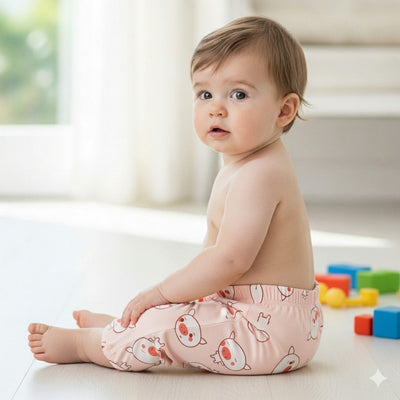
Padded underwear and potty training pants can make potty training feel more manageable - not because they replace the process, but because they support it.
Unlike diapers, which absorb quickly and reduce awareness, padded underwear helps toddlers feel wetness and understand what their body is telling them.
For baby girls especially, easy pull-up designs can make potty breaks quicker and help build confidence as they begin managing clothing on their own.
Here’s how they help:
-
Build toilet awareness - she notices accidents without a big mess
-
Reduce diaper dependency - padded underwear feels different and encourages transition
-
Make accidents easier to manage - less cleanup and less stress
-
Support consistency - especially useful during outings or early training days
Snugkins potty training pants and padded underwear are made with soft, breathable cotton and designed for little hands to manage independently.
Simple Tips for Parents: Making Potty Training Feel Easier
A few practical tips many parents find helpful:
-
Keep a spare kit with clothes, wipes, and extra training pants nearby
-
Let her lead sometimes - even if she asks to sit repeatedly
-
Keep the potty visible during early training
-
Talk about bathroom routines naturally and calmly
-
Follow her mood and avoid pushing on difficult days
-
Keep routines consistent across parents, grandparents, and caregivers
Why Parents Choose Snugkins
When it comes to potty training, practical everyday support matters.
Parents choose Snugkins for:
-
Soft, skin-friendly cotton that feels gentle on sensitive skin
-
Breathable comfort designed for Indian weather
-
Easy pull-up waistbands toddlers can manage independently
-
Practical absorbency for minor accidents without bulk
-
Reliable quality that holds up wash after wash
-
Thoughtfully designed essentials made around everyday parenting needs
Having the right support can make potty training feel simpler and more manageable for everyone.
Frequently Asked Questions
Q1. What is the ideal potty training age for baby girls?
Ans: Most baby girls begin showing signs of readiness between 18 months and 3 years, though every child develops differently.
Q2. What are the common signs that a toddler is ready for potty training?
Ans: Common signs include staying dry for longer periods, showing interest in bathroom routines, and trying to communicate toilet needs.
Q3. How do potty training pants and padded underwear help toddlers?
Ans: They help toddlers transition from diapers by encouraging toilet awareness while supporting independence.
Q4. What should parents do if accidents happen during potty training?
Ans: Stay calm, reassure your toddler, and continue with a consistent routine. Accidents are a normal part of learning.
Q5. Why do parents choose Snugkins for potty training essentials?
Ans: Parents choose Snugkins for soft, breathable, comfortable potty training products designed for everyday use.
Conclusion
Potty training your baby girl can feel exciting one day and challenging the next and that’s completely normal.
There may be accidents, pauses, and moments where progress feels slower than expected. But there will also be those proud milestones when she starts recognising her cues and makes it to the potty on her own.
The key is to follow her pace, stay consistent, and keep the experience calm and encouraging. With patience, gentle support, and helpful essentials like padded underwear or potty training pants, the journey can feel less overwhelming and become a meaningful milestone for both you and your little one.
Key Takeaways
-
Most baby girls begin showing readiness signs between 18 months and 3 years
-
Readiness signs matter more than age alone
-
A calm, pressure-free approach makes potty training easier
-
Potty training pants help toddlers build body awareness naturally
-
Padded underwear offers a helpful bridge between diapers and regular underwear
-
Teaching hygiene early is especially important
-
Regression is common and temporary
-
Simple preparation and consistent routines reduce stress for both parents and toddlers