Best Padded Underwear for Potty Training

Why Padded Underwear Helps with Potty Training
Potty training is a big step in every toddler’s growth journey, but it can often feel overwhelming for parents. Accidents, inconsistent progress, toilet resistance, and confusion during the early stages are all normal parts of learning. Since every child develops at their own pace, using the right potty training products can make the process smoother, more comfortable, and less stressful for both toddlers and parents.
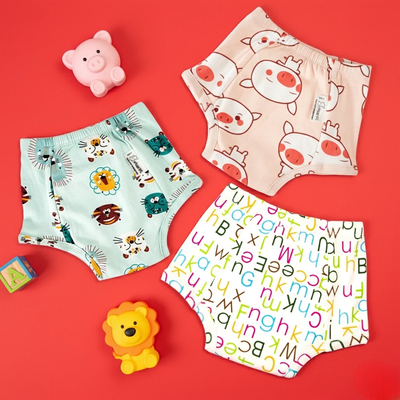
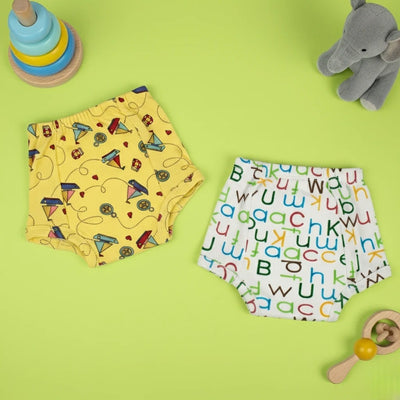
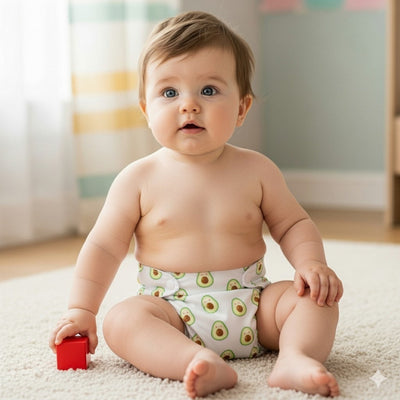
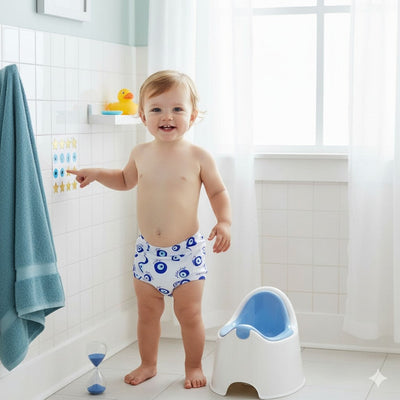
Many families now choose padded underwear for potty training because it helps toddlers transition gradually from diapers to regular underwear while building confidence and toilet awareness. Unlike diapers that absorb moisture instantly, padded training products allow children to feel slight wetness while still helping reduce leaks and messes. This helps toddlers better understand potty signals and develop toilet habits more naturally.
Snugkins creates modern baby care essentials, including new-age langots, nappies, padded underwear, and potty training pants that are soft, reusable, and thoughtfully designed to support growing toddlers through every stage of potty learning.
Understanding the Stages of Potty Training
Every toddler learns differently, but most children move through similar potty training stages. Understanding these stages can help parents choose the right support products at the right time.
1. Awareness Stage
At this stage, toddlers begin noticing when their diaper feels wet or uncomfortable. They may start pointing at their diaper or communicating discomfort.
2. Interest Stage
Children become curious about toilets, bathroom routines, and how parents or siblings use the toilet.
3. Learning Stage
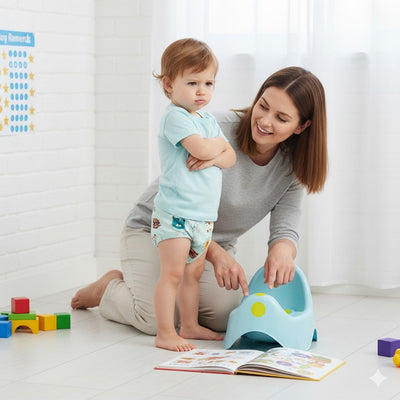
Toddlers begin sitting on the potty regularly with reminders and guidance from parents.
4. Practice Stage
Children try using the toilet more consistently but still experience accidents. This is the stage where potty training with pants becomes especially helpful.
5. Independence Stage
Toddlers slowly start managing bathroom routines on their own, including pulling pants up and down independently.
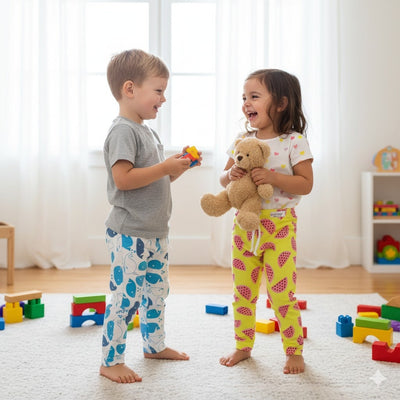
During these stages, products like padded underwear and potty training pajamas help toddlers transition more comfortably from diapers to regular underwear.
How Padded Underwear Helps in Potty Training
Traditional diapers are designed for maximum absorbency, which often prevents toddlers from noticing when they are wet. In contrast, padded underwear helps children feel slight moisture while still controlling small accidents. This helps toddlers connect body signals with toilet use more effectively.
-
Helps Toddlers Understand Wetness: One of the biggest benefits of padded underwear for potty training is helping toddlers develop better wetness awareness. Toddlers can feel dampness without experiencing complete discomfort, helping them recognise when they need to use the toilet.
-
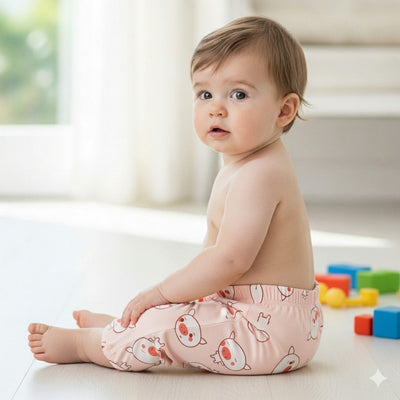
Encourages Independence: Pull-up style potty training pants are easy for toddlers to manage independently. Children can practice pulling their pants up and down on their own, which builds confidence and self-help skills.
-
Reduces Big Messes: Absorbent layers help contain small accidents during the learning stage without soaking clothes immediately. This makes cleanup easier for parents while still allowing toddlers to learn from the experience.
-
Comfortable for Everyday Wear: Soft and breathable cotton fabrics help toddlers stay comfortable during playtime and everyday activities.
According to Snugkins Potty Training Pants, their products are designed with layered absorbency and leak-resistant protection to support everyday potty training routines while still encouraging wetness awareness.
Using Padded Underwear to Make Potty Training Easier
Using training products correctly can make potty learning smoother for both toddlers and parents.
Here are some practical ways parents can use padded underwear effectively:
-
Start using training pants during daytime potty routines first
-
Encourage toddlers to communicate when they feel wet
-
Keep extra pairs available during outings or travel
-
Use regular potty reminders throughout the day
-
Choose easy pull-up styles for independent use
-
Celebrate small successes consistently
-
Stay calm during accidents and avoid punishment
Many toddlers become deeply involved in playtime and ignore early potty signals. Using potty training pants can help parents manage small accidents more comfortably while toddlers continue learning.
Signs Your Toddler Is Ready for Potty Training
The right potty training age can vary for every child. Most toddlers begin showing readiness signs between 18 months and 3 years.
Common Signs of Readiness
-
Staying dry for longer periods
-
Communicating bathroom needs
-
Following simple instructions
-
Showing curiosity about toilets
-
Feeling uncomfortable in wet diapers
-
Trying to copy adults or siblings
The ideal age for potty training depends more on emotional and physical readiness than a fixed timeline. Starting before a child is ready can sometimes create resistance and frustration.
Common Potty Training Challenges for Parents
Potty training is different for every family, but some challenges are very common.
-
Toddlers Forget Easily: Children often become distracted during playtime and may forget to use the toilet.
-
Fear and Anxiety: Some toddlers feel nervous about toilet sounds or unfamiliar bathroom routines.
-
Inconsistent Progress: Progress during potty training is rarely perfectly consistent, and occasional setbacks are completely normal.
-
Frequent Laundry and Cleanup: Accidents can lead to additional clothing changes and cleaning.
Using reusable potty training pants can help simplify daily routines during this learning phase.
Potty Training Mistakes Parents Should Avoid
Potty training becomes easier when parents avoid common mistakes that can slow progress or create frustration.
-
Starting Too Early: Beginning before toddlers show readiness signs may lead to stress and resistance.
-
Punishing Accidents: Accidents are a normal part of learning. Negative reactions can reduce a child’s confidence.
-
Comparing Children: Every toddler learns at a different pace, so comparisons can create unnecessary pressure.
-
Switching Between Diapers and Training Pants Inconsistently: Consistency helps toddlers understand routines more clearly.
-
Expecting Immediate Results: Potty learning is gradual and may take weeks or even months for some children.
Avoiding these common mistakes can make potty training smoother and less stressful for both toddlers and parents. Along with patience and consistency, choosing the right potty training products at each stage can also help children feel more comfortable and confident while learning toilet habits.
Best Potty Training Products for Each Stage
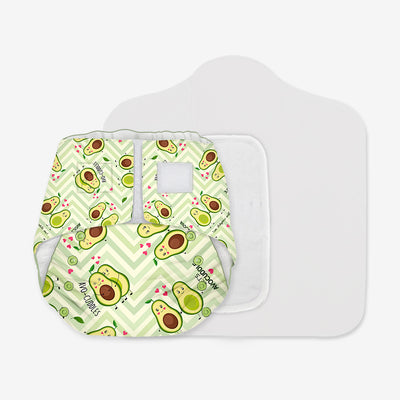
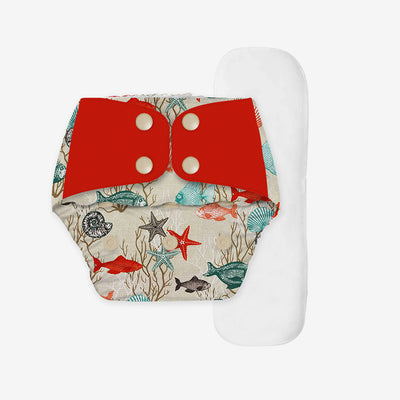
Different potty training products work best at different learning stages. Choosing the right option can help toddlers feel more comfortable, confident, and supported throughout the potty training journey.
|
Potty Training Stage |
Best Product to Use |
|
Beginning potty awareness |
|
|
Active potty learning stage |
|
|
Independent toilet routine |
Using the right product at each stage can make the transition from diapers to regular underwear smoother for both toddlers and parents.
How to Choose the Best Potty Training Products
Choosing the right product can make a major difference in a child’s comfort and learning experience.
-
Breathable Cotton Fabric - Soft cotton fabrics help reduce irritation and keep delicate skin comfortable.
-
Good Absorbency - Training pants should manage small accidents without feeling overly bulky.
-
Leak-Resistant Protection - Protective layers help reduce messes during everyday activities.
-
Easy Pull-Up Design - Toddlers should be able to pull the pants up and down independently.
-
Washable and Reusable Material - Reusable products are practical for daily routines and help reduce repeated disposable purchases over time.
-
Comfortable Waistband - Soft elastic waistbands help prevent marks and discomfort on sensitive skin.
These features help toddlers stay comfortable while building toilet habits confidently.
Helpful Potty Training Tips for Parents
-
Follow a consistent potty schedule daily
-
Dress toddlers in easy pull-up clothing
-
Offer gentle reminders instead of pressure
-
Praise effort and small progress
-
Stay calm during accidents and setbacks
-
Keep potty training routines simple and consistent
-
Introduce bathroom habits gradually
Small changes in routine and comfort can often help toddlers feel more confident during toilet learning.
Why Parents Choose Snugkins
Many families choose Snugkins because the brand focuses on practical baby care products that support both comfort and learning.
-
Gentle on Delicate Skin: Soft cotton fabrics help toddlers stay active without irritation throughout the day.
-
Designed for Potty Training: Snugkins potty training pants are designed to support awareness, confidence, and smoother toilet learning routines.
-
Reusable and Budget-Friendly: Washable products help reduce repeated disposable purchases.
-
Comfortable Fit for Active Toddlers: Flexible pull-up designs allow children to move, play, and learn comfortably while practising independence.
-
Leak-Resistant Protection: Absorbent layers and semi-waterproof protection help reduce small leaks during training.
-
Everyday Convenience for Parents: Easy-to-clean materials help simplify potty training routines both at home and during outings.
With comfort, absorbency, and toddler-friendly designs, the right potty training products can make daily routines easier for both parents and children during the learning process.
Final Takeaway: Patience, Consistency, and the Right Products Make Potty Training Easier
Potty training is a gradual learning process that requires patience, consistency, and the right support products. While accidents are a normal part of learning, products like padded underwear and potty training pants can help toddlers feel more confident as they transition from diapers to regular underwear.
For many families, potty training with pants creates a smoother and less stressful transition toward independent toilet habits. Because padded underwear helps toddlers notice wetness while reducing messes, children learn potty awareness more naturally and confidently.
Every child learns at their own pace, and supportive products can make that journey easier for both toddlers and parents. For families looking for soft, reusable, and thoughtfully designed potty training essentials, Snugkins offers practical solutions designed for comfort, convenience, and everyday learning.
FAQs
Q 1. What are padded underwear for potty training?
Ans: They are absorbent training underwear designed to help toddlers transition from diapers to regular underwear while managing small accidents.
Q 2. What is the ideal potty training age?
Ans: Most toddlers begin potty training between 18 months and 3 years, depending on readiness signs and development.
Q 3. Are padded underwear washable?
Ans: Yes, padded underwear is reusable and machine washable, making them practical for daily use.
Q 4. Why do parents use potty training pants?
Ans: They help toddlers build confidence, improve potty awareness, and reduce small accidents during toilet learning.
Q 5. Why do parents choose Snugkins potty training products?
Ans: Parents choose Snugkins because their products are soft, breathable, reusable, absorbent, and designed to support toddler learning comfortably.