Find the Right Age for Potty Training

Finding the Perfect Age for Potty Training Your Toddler
Potty training is a key developmental milestone in early childhood, and one of the most common questions parents ask is potty training at what age is the right time to begin. While it may seem like there should be a fixed answer, the reality is that the ideal potty training age is a flexible range rather than a specific number. Most children begin showing readiness between 18 months and 3 years, but the age for potty training depends on how a child develops physically, cognitively, and emotionally. Understanding this broader perspective helps parents approach potty training with patience, confidence, and realistic expectations.
Understanding Potty Training Age and Readiness
The concept of potty training age is best understood as a developmental phase where children gradually acquire the skills needed for independent toileting. This process involves three key areas: physical readiness, cognitive understanding, and emotional willingness. Each of these develops at its own pace, which is why children of the same age may not be equally ready.
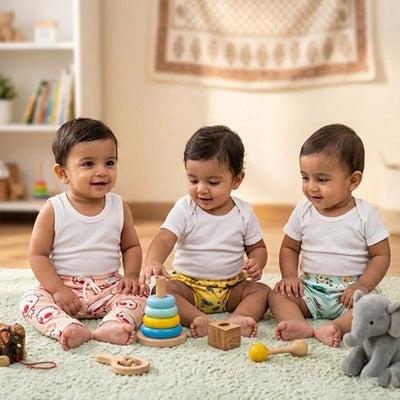
Potty Training Age 1 Year: Early Exposure Stage
By the age of one, children are in the early stages of physical and neurological development, where bladder and bowel control is still maturing. At this point, the muscles and nerve pathways required for intentional toileting are not yet fully developed, making independent control unlikely.
This stage, often referred to as potty training at the age of 1 years old, is not about active training but about gentle introduction. Children learn best through observation and familiarity rather than instruction or expectation.
Simple steps such as placing a potty in the bathroom, allowing children to observe routines, and maintaining a calm, pressure-free environment can help create early awareness.
If you're exploring potty training for 1 year, the focus should be on building comfort and familiarity. These early experiences make the transition smoother as children move into potty training at age 2 years old.
Potty Training Age 2 Years: Developing Awareness Stage
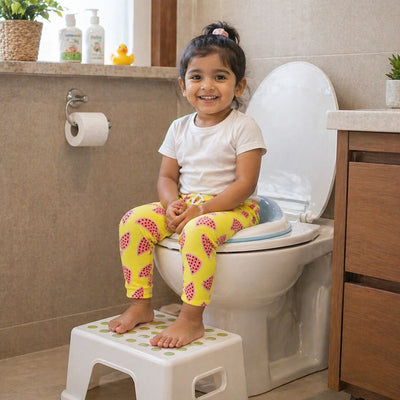
Around the age of two, children begin to develop awareness of their bodily sensations. They may start to recognise when they are about to urinate or pass stool and show early cues such as pausing, squatting, or changes in expression. Some children may also stay dry for short periods.
This stage, commonly known as potty training age 2 years old, marks the beginning of awareness, although consistency is still developing. Motor skills like walking steadily and managing clothing are improving, but children may still need support. Communication is also evolving, which can make it harder for them to clearly express their needs.
If you're exploring potty training at 2 years old, this stage is best approached with patience and gentle guidance. The goal is to build awareness, introduce simple routines, and encourage participation without pressure.
This phase lays the groundwork for more structured learning as children progress toward potty training at the age 3 years old.
Potty Training Age 3 Years: Functional Readiness Stage
By the age of three, many children enter the functional readiness stage for potty training. At this point, several developmental abilities come together, making the process smoother and more effective.
Bladder and bowel control improve, allowing children to stay dry for longer periods and recognise when they need to go. Their motor skills are also more developed, helping them walk to the bathroom, sit independently, and manage simple clothing adjustments.
Communication skills continue to grow, enabling children to express their needs more clearly. At the same time, cognitive development helps them understand routines and the connection between bodily signals and using the toilet.
If you're exploring potty training for 3 years old, this stage offers the right balance of readiness and independence, especially compared to potty training at 2 years old.
Emotionally, children also begin to seek independence and imitate adult behaviours, making this stage ideal for a more structured approach.
Potty Training Age 4 Years: Skill Consolidation Stage
Most children navigating potty training age 4 years have already made substantial progress and are now focused on consolidating those gains. Reliable daytime control is well within reach for the majority, while nighttime dryness continues developing at its own biological pace - a normal and expected aspect of potty training at age 4 years old.
By the age of four, children typically show greater consistency in their toileting habits. Most achieve reliable daytime control, while nighttime dryness may still take time and can vary from child to child.
This stage, often associated with potty training at the age 4 years old, focuses on strengthening routines rather than learning from the beginning. Children are more independent and can follow toileting habits with minimal reminders.
If you're exploring potty training for 4 years, the emphasis should be on reinforcing consistency, building confidence, and encouraging independence. Occasional accidents may still happen, especially during play or distractions, but they are a normal part of development.
This stage builds on the progress made during potty training age 3 years old and helps children become more self-reliant.
Potty Training Age 5 Years: Mastery and Independence Stage
By the age of five, most children develop a strong sense of independence in toileting. They can recognise internal cues, use the toilet on their own, manage clothing, and begin maintaining personal hygiene with minimal assistance.
This level of independence is commonly seen during potty training at the age 5 years old, where toileting becomes a well-established routine rather than a new skill.
Nighttime dryness may still vary, as it is often linked to natural development. For additional support during this stage, potty training pants for 5 years old can help provide comfort and confidence, especially at night.
If you're exploring potty training for 5 years old, the focus should be on maintaining consistency, encouraging responsibility, and supporting long-term independence.
At this stage, potty training becomes a natural part of daily life, building on the progress made since potty training at the age 4 years old.
When to Start Potty Training
The age for potty training becomes meaningful when parents observe clear readiness signs. Instead of relying solely on age, it is more effective to look for specific behaviours that indicate a child is prepared to begin. These include staying dry for at least a couple of hours, showing signs before needing to go, following simple instructions, walking to the bathroom independently, and expressing discomfort when wet. Some children may also show interest in using the toilet or wearing underwear, which is a strong indicator that they are approaching the right potty training age.
It is important to remember that starting too early - before these signs appear - can lead to frustration and slower progress. On the other hand, beginning when a child shows readiness often leads to a smoother and more positive experience. The focus should always be on the child’s development rather than external expectations.
Educational Approach to Potty Training
Potty training should be approached as a learning process rather than a task to be completed quickly. Children move through stages, starting with awareness, then practicing routines, and eventually achieving independence. Supporting each stage with patience and consistency helps build confidence and long-term success.
Creating a routine is an important part of this process. Encouraging children to sit on the potty at regular times, such as in the morning or before bedtime, helps reinforce habits. Communication is equally important - parents can guide children by helping them understand their body signals and encouraging them to express their needs.
Promoting independence is another key aspect. Allowing children to participate in small tasks, such as managing their clothing or flushing the toilet, gives them a sense of control and responsibility. Consistency across daily routines helps children learn faster, while a calm and supportive response to accidents ensures that they do not feel discouraged.
The Role of Comfort in Potty Training
Comfort plays a significant role during the potty training age, as children are more likely to engage in the process when they feel physically and emotionally secure. Clothing that supports ease of movement and independence can make a noticeable difference.
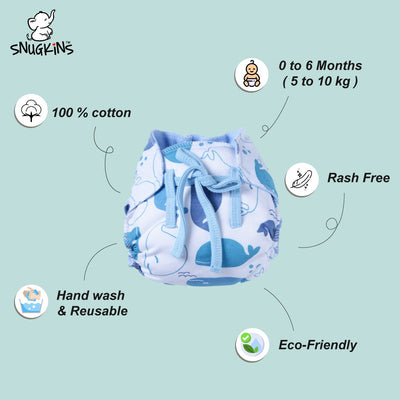
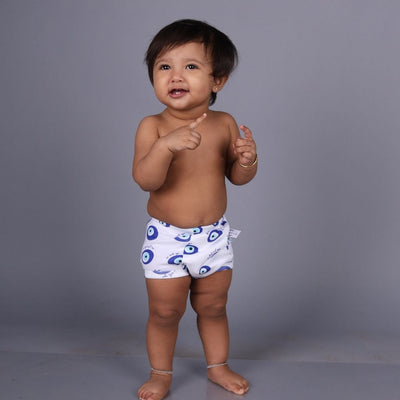
Snugkins potty training pants and padded underwear are designed to support this stage with soft, breathable fabrics and flexible fits. These features allow children to move comfortably and manage their clothing with ease, which encourages independence. When children feel comfortable, they are more confident and willing to participate in potty training routines.
A supportive environment, combined with the right essentials, helps reduce resistance and makes the learning process smoother for both children and parents.
Final Thoughts
When considering potty training at what age, it is important to move beyond a fixed timeline and focus on readiness. The ideal potty training age is when a child’s physical ability, cognitive understanding, and emotional willingness come together. By recognizing these signs and approaching the process with patience, consistency, and comfort, parents can create a positive learning experience.
Every child’s journey is unique, and progress may vary. With the right support and a thoughtful approach, potty training becomes a natural and confident step toward independence.
FAQ’s
Q 1. What is the best age to start potty training?
Ans : The best potty training age is usually between 18 months and 3 years, depending on your child’s readiness signs rather than age alone.
Q 2. Why do parents choose Snugkins for different potty training ages?
Ans : Parents choose Snugkins because its comfortable potty training pants and padded underwear support children as they grow, learn, and build independence.
Q 3. What developmental skills help children succeed in potty training?
Ans : Successful potty training often depends on bladder awareness, motor skills, communication ability, and the confidence to follow simple routines.
Q 4. How does early potty awareness support future potty training success?
Ans : Early potty awareness helps children become familiar with bathroom routines and body signals, making later potty training smoother and less stressful.
Q 5. How do I know if my child is ready for potty training?
Ans : Signs like staying dry for longer periods, showing bathroom awareness, and expressing discomfort are stronger indicators than age alone.